

ARTS AND CULTURE INFORMATION GATEWAY
Immerse yourself in the colorful world of art and culture! From traditional heritage to contemporary works, discover uniqueness that reflects the nation's identity and identity
 Fakulti Muzik dan Seni Persembahan, Universiti Pendidikan Sultan Idris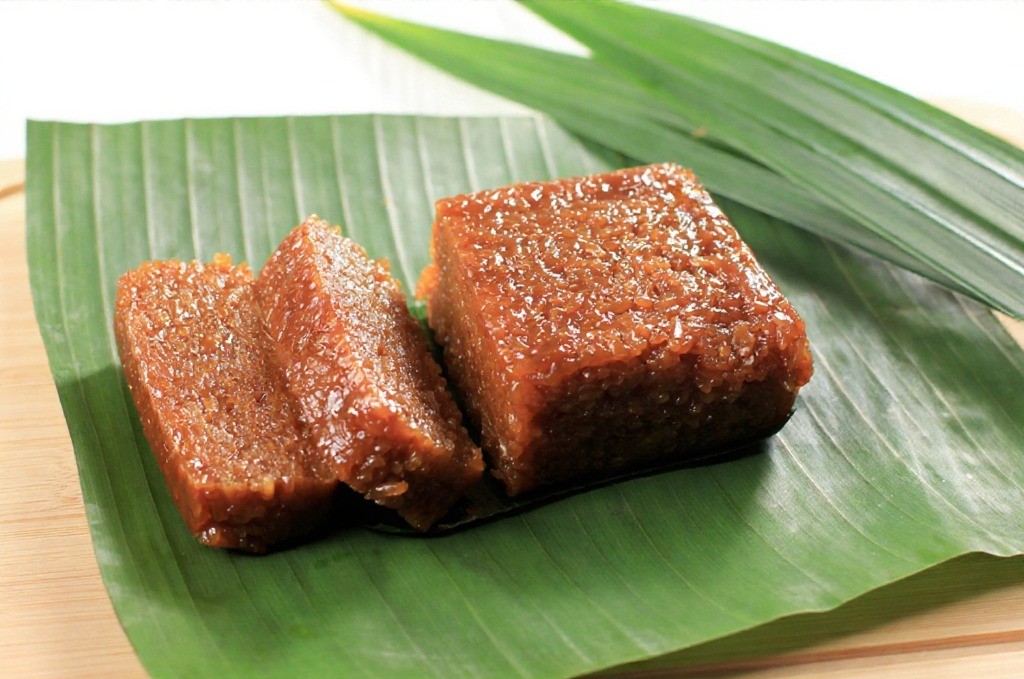
Picture
7
Video
No record
Today's Visitor
33
Number of Visitors
959
Introduction and history
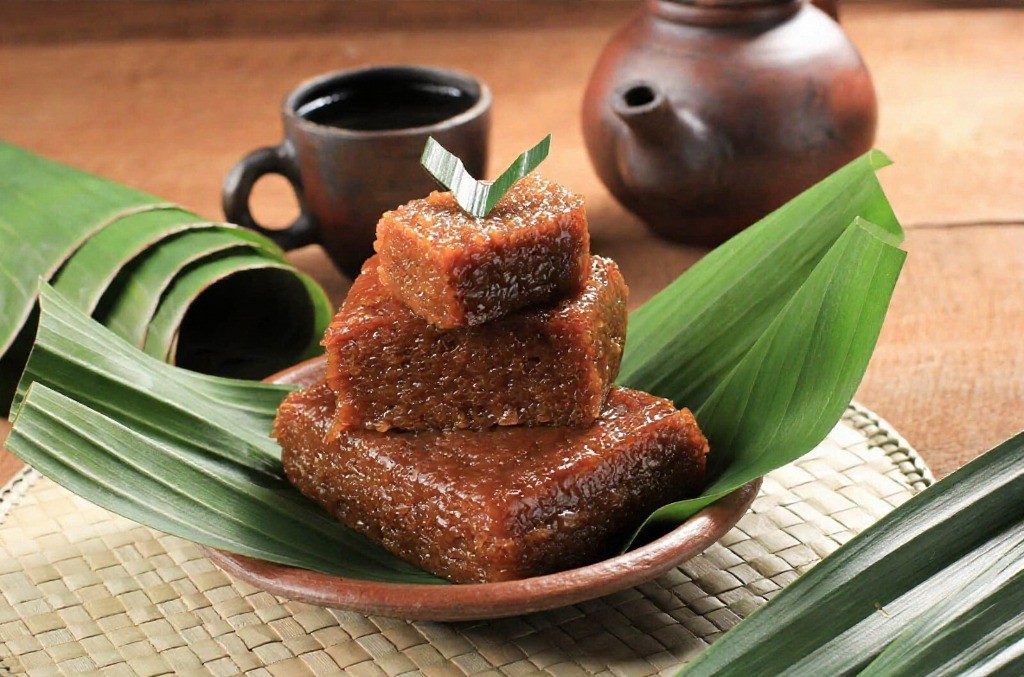
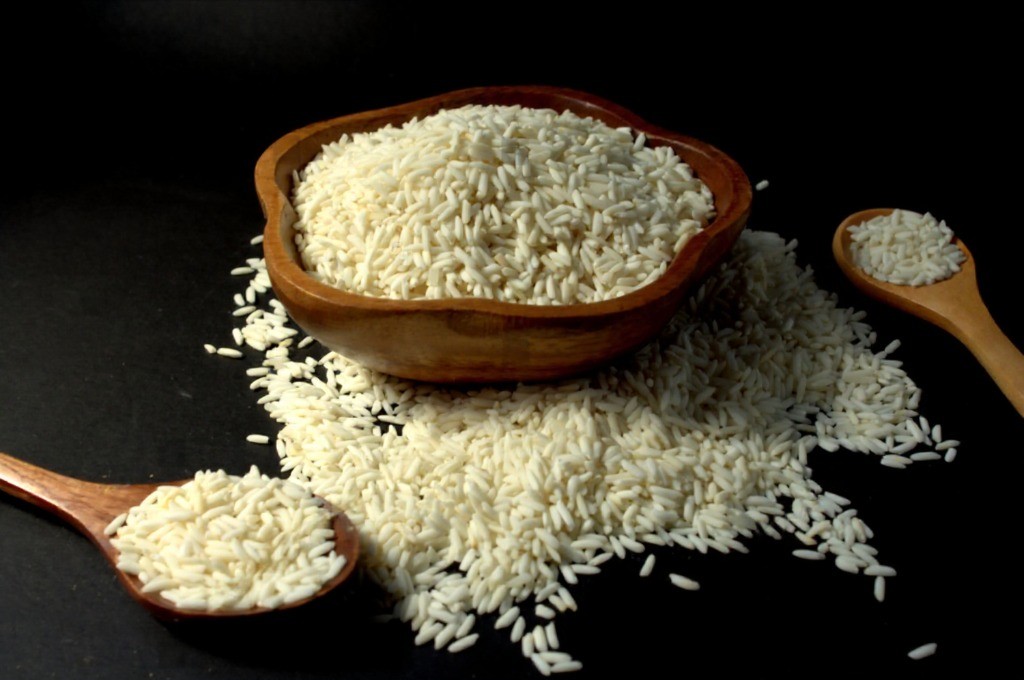
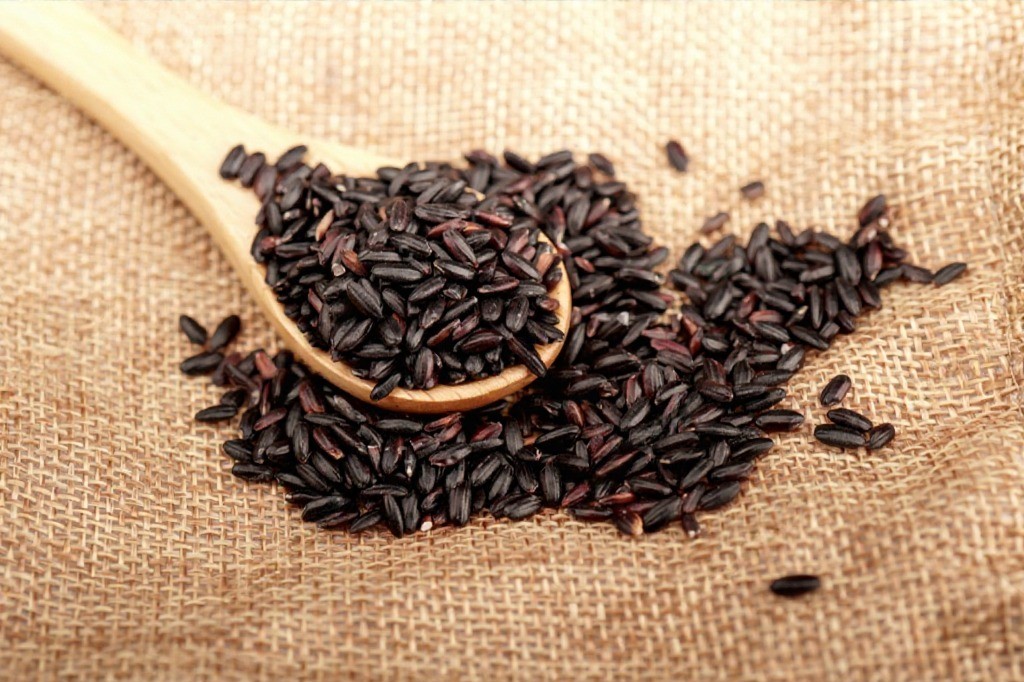
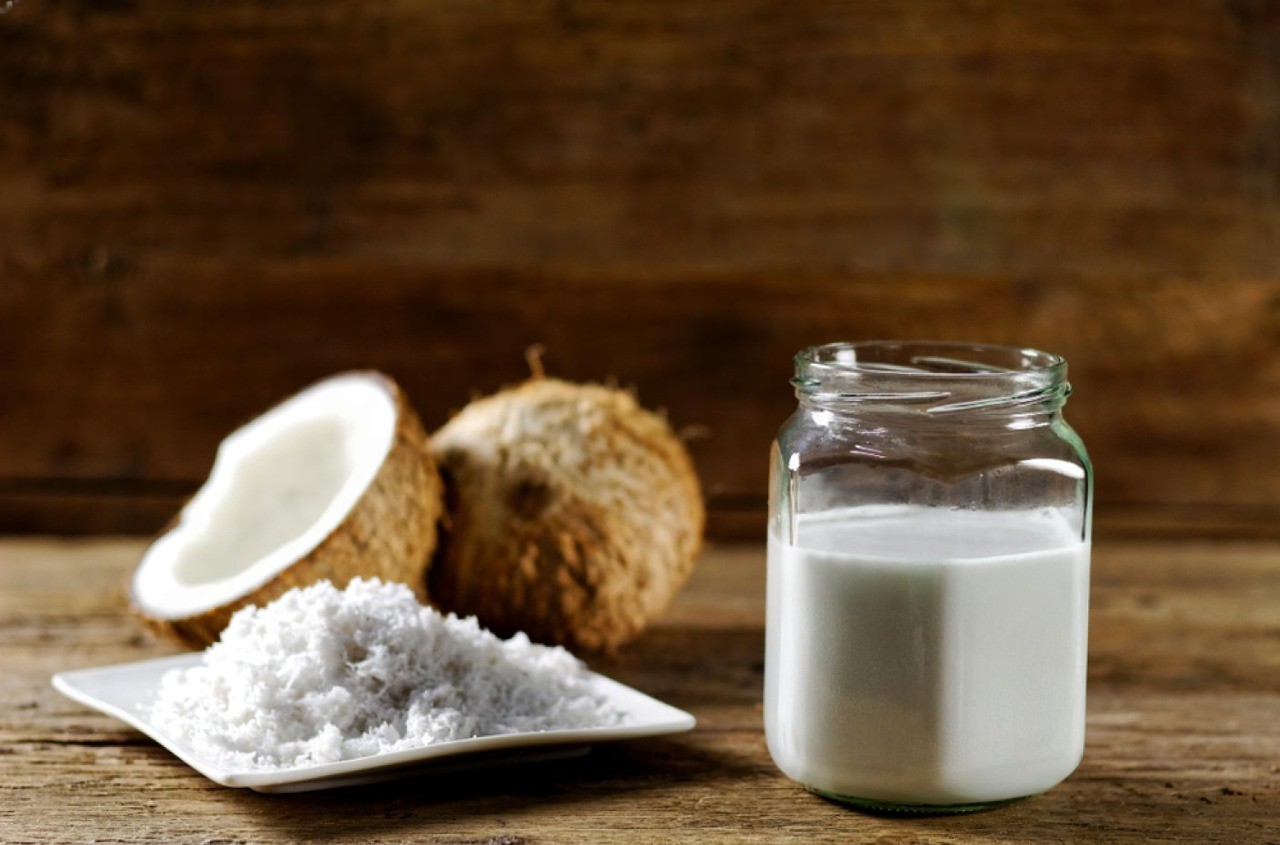
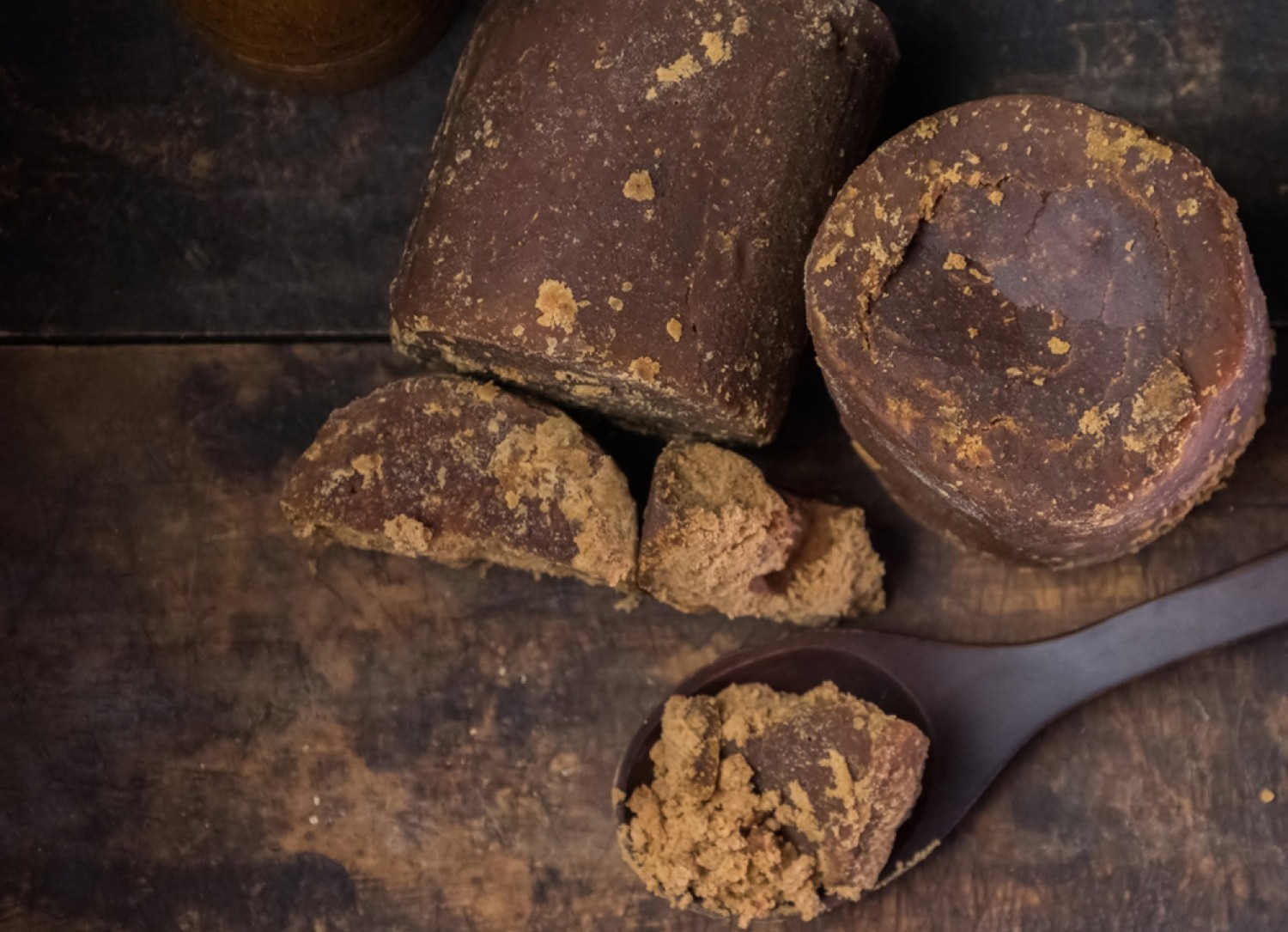
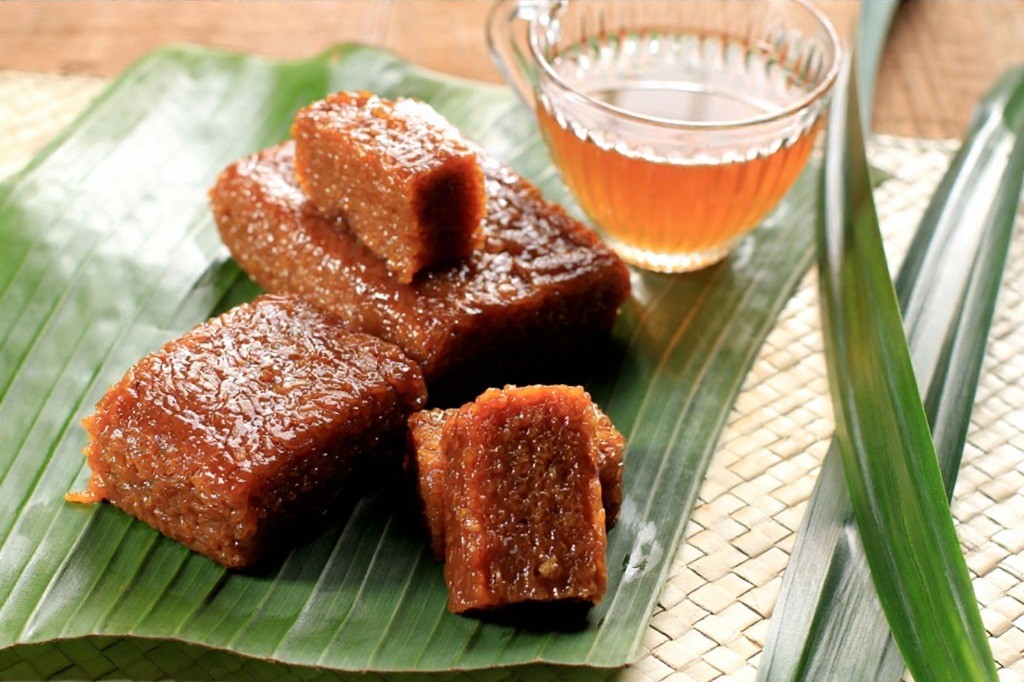
Pulut Kacau is one of the traditional desserts popular in Kedah and several northern states of Peninsular Malaysia. This delicacy is made from glutinous rice—either white or black, depending on preference cooked together with coconut milk and palm sugar (gula melaka), resulting in a sticky, sweet, and fragrant texture. Pulut Kacau is closely associated with the culinary traditions of the Malay community in Kedah, particularly as a sweet treat during festive seasons and communal gatherings. Historically, this dessert is believed to have originated from the agrarian lifestyle of local communities who cultivated glutinous rice and utilized coconut and palm sugar as essential ingredients in their daily diet.
Traditionally, Pulut Kacau is enjoyed as a teatime delicacy, often paired with a hot cup of tea or coffee. However, its role goes far beyond being a simple daily treat, as it is also considered one of the most significant dishes in the ceremonies and festivities of the Malay community in Kedah. In particular, during the celebration of Hari Raya Aidilfitri, Pulut Kacau is often prepared communally in a spirit of cooperation, much like the tradition of stirring dodol on the eve of the festival. The cooking process, which requires both physical effort and a long duration, makes it an integral dish that enhances the joyous atmosphere of the festive night.
In addition, Pulut Kacau plays an important role in wedding ceremonies. It is typically served to guests during the feast and is sometimes given as a gift or takeaway treat for attendees. Another unique aspect is that this dessert is often prepared a day before the wedding, serving as a light snack for early-arriving guests while they wait for the main meal to be served.
From a commercial perspective, Pulut Kacau has yet to be developed into a large-scale food product due to the perishable nature of glutinous rice, which does not last long. Nevertheless, demand for this traditional dessert remains strong, especially during festive seasons and communal gatherings. As a result, it continues to be offered by traditional vendors at night markets, roadside stalls, and catering services, consistently receiving a warm reception from the local community.
-
To produce a delicious Pulut Kacau, each ingredient plays a crucial role in shaping its taste, aroma, and texture. The following ingredients are required:
500 g glutinous rice (white or black) – soaked for several hours to soften the grains before cooking.
3 cups coconut milk – provides the rich, creamy flavor that forms the base of this dessert.
1 teaspoon salt – balances the sweetness.
2 pandan leaves – tied into a knot to infuse a fragrant aroma during cooking.
1 cup (±200 g) brown sugar – adds sweetness and a deep caramel-like color.
1 cup (±200 g) palm sugar (gula melaka) – enhances the sweetness with a traditional, distinctive flavor.
½ cup (±100 g) granulated sugar – helps stabilize the sweetness and the overall texture of the mixture.
Preparation of Pulut Kacau requires patience, as the cooking process is relatively long and must be stirred constantly to prevent burning. Traditionally, it is divided into three main stages:
A. Preparing the Steamed Glutinous Rice
Wash the glutinous rice several times until the water runs clear to remove excess starch.
Soak the rice for about 2 ½ hours to soften the grains and make them easier to cook.
After soaking, drain the rice thoroughly to ensure it is not too wet before steaming.
Place the rice into a tray or pan.
Pour in 1 cup of coconut milk along with knotted pandan leaves for added fragrance.
Steam over high heat for 15–20 minutes until the rice is half-cooked and the coconut milk has been absorbed.
Once steamed, remove the tray and fluff the rice with a fork to prevent clumping.
Allow the rice to cool before mixing it later with the sugar syrup.
B. Preparing the Sugar Syrup
Add 200 g brown sugar and 2 cups of coconut milk into a saucepan.
Cook over low heat until the sugar is fully dissolved.
Ensure the mixture does not boil—keep it just warm to prevent the coconut milk from curdling.
Once the sugar has dissolved, strain the mixture into a large wok to remove any impurities.
Add 200 g palm sugar (gula melaka), 100 g granulated sugar, knotted pandan leaves, and 1 teaspoon salt into the wok.
Cook over low heat, stirring continuously.
Stir until the mixture becomes bubbly, thick, and slightly sticky.
Remove the pandan leaves once the syrup has thickened.
C. Combining the Rice and Sugar Syrup
Add the cooled glutinous rice into the wok containing the thickened sugar syrup.
Stir continuously over low heat to avoid burning the bottom.
This process requires time, as the rice must be thoroughly coated and blended with the syrup.
Pulut Kacau is considered ready when the texture turns dry, glossy, and the sugar forms “threads” (sticky strands) when the spatula is lifted.
Turn off the heat, then pour the mixture into a tray or container lined with banana leaves for extra fragrance.
Smooth the surface with a spoon or spatula lightly greased with oil to prevent sticking.
Leave the Pulut Kacau to cool for 4–5 hours or overnight until firm before cutting and serving.
Tips & Guidelines
If soaking for less than 3 hours, → Add 1 extra cup of coconut milk before steaming.
If soaking overnight (minimum 9 hours) → Steam directly without adding extra coconut milk.
Always use low heat when cooking the syrup and stirring the rice to prevent the sugar from burning or the coconut milk from separating.
To test syrup thickness: dip a wooden spatula into the syrup and scrape it with a spoon. If a thick, sticky layer clings to the spatula, the syrup is ready.
For enhanced aroma: line the tray with banana leaves before pouring in the mixture. This not only adds fragrance but also makes it easier to cut once cooled.
-
Reference Source
Bahan Bacaan
Asli, K. (2013). Penentuan kandungan makronutrien dalam tiga jenis kuih manis tempatan: Pengiraan berbanding analisis. Jurnal Sains Kesihatan Malaysia, 11(1), 19–24.
Cookpad. (2023). Resipi pulut kacau. https://cookpad.com/my/recipes/12326320?view=search
Fauzi, F. A., Jamil, J., & Majid, H. N. A. (2022). Dari Perlis ke Sabah: Warna-warni kuih-muih warisan Malaysia. Pelestarian makanan warisan Melayu diwarisi sejak zaman ke zaman peliharalah hidangan setiap satu jadikan panduan juga rujukan (hlm. 133).
Rasa. (2021). Resipi pulut kacau jadi makin sedap, air gula tak serap dek pulut. https://www.rasa.my/resipi-pulut-kacau-jadi-makin-sedap-air-gula-tak-serap-dek-pulut/
Location
State JKKN Contact Information
Encik Mohammad Salleh bin Mahmud
Cultural Officer
Jabatan Kebudayaan dan Kesenian Negara, Kedah
Kompleks JKKN Kedah
Lot PTD 400, Pumpong
05250 Alor Setar
KEDAH DARUL AMAN
011-10899646
Use the form below to contact the Informant/Figure/Editor/Researcher directly. We will respond to your inquiry as soon as possible!


