

ARTS AND CULTURE INFORMATION GATEWAY
Immerse yourself in the colorful world of art and culture! From traditional heritage to contemporary works, discover uniqueness that reflects the nation's identity and identity
ADAT PETUA - PENGAMAL PERUBATAN TRADISIONAL MELAYU
 Fakulti Muzik dan Seni Persembahan, Universiti Pendidikan Sultan Idris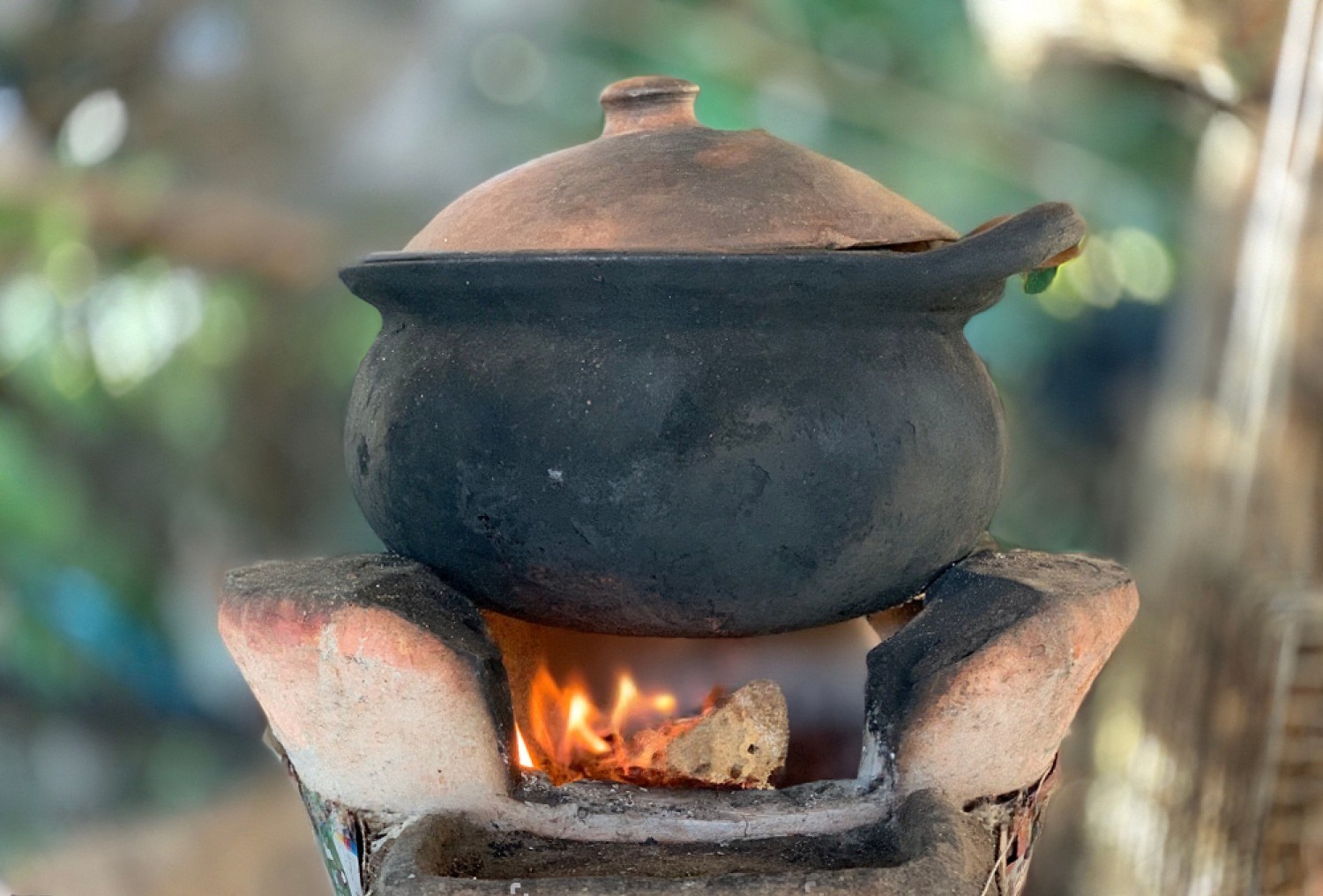
Picture
5
Video
No record
Today's Visitor
5
Number of Visitors
494
Introduction and history
Customary wisdom (adat petua) in Malay society refers to a body of traditional knowledge that functions as a guide for daily life and as a means of resolving everyday challenges, particularly those related to health, beauty, and survival. The term "petua" itself carries the meaning of advice, guidance, or specific practices handed down orally from elders to younger generations. Within the Malay cultural framework, adat petua not only reflects the wisdom of the local community but also reveals the close relationship between humans and their natural environment, as well as their belief in spiritual elements that form part of the traditional system of faith. It is not merely a set of practical practices but also a cultural value system that unites physical, emotional, and spiritual aspects of life.
The origins of adat petua can be traced back to the pre-Islamic era, when the early Malays practiced animism and dynamism. During this time, every element of nature, such as trees, stones, water, wind, and fire, was believed to possess certain powers that could be harnessed for health and protection. From these beliefs emerged various forms of petua, for example, the use of betel leaves to ward off disturbances or kaffir lime in bathing rituals to purify oneself from negative influences. Although mystical in nature, these practices were rooted in the empirical experiences of past generations who observed and tested the effectiveness of the natural world in their daily lives.
With the arrival of Islam in the Malay world around the 13th century, adat petua underwent a process of adaptation and Islamization. The spells and incantations once associated with nature spirits or supernatural beings were gradually replaced with recitations of prayers, verses from the Qur’an, and zikir (remembrance of God), which were regarded as more blessed. For instance, remedies to prevent illness or strengthen one’s spirit no longer relied solely on talismans, but were complemented by verses such as Ayat al-Kursi, Surah al-Fatiha, or specific supplications. This transformation not only ensured the continuity of adat petua but also enriched its meaning as a heritage that integrates ancient traditions with religious teachings.
Adat petua also developed in tandem with the influence of foreign medical traditions such as those of India, China, and the Arab world, introduced through Malay port trading networks. Herbal ingredients such as ginger, turmeric, and cinnamon—originating from Ayurvedic and Chinese traditions—were combined with local herbs, giving rise to new remedies in the form of drinks, oils, or topical applications. For example, a mixture of ginger, garlic, and honey as a remedy for fever or cough is believed to have derived from the fusion of foreign and local practices. This demonstrates that adat petua was never static, but dynamic and adaptive to social and cultural changes.
Beyond serving as remedies, adat petua also functioned as a mechanism of social and moral control. Many were conveyed in the form of prohibitions or taboos, such as “do not sit on a pillow or you will develop boils,” or “do not sing in the kitchen or you will marry an old man.” While these may sound mythical in literal terms, they carry implicit values related to propriety, safety, and discipline in everyday life. Thus, adat petua was not confined to medicine but also served as an informal educational medium that shaped the character and behavior of Malay children from a young age.
In conclusion, adat petua is an intangible heritage of Malay society that remains relevant today. It reflects local wisdom, the deep connection with the natural environment, and the integration of religious and external cultural influences within a Malay framework. Although some practices may appear irrational from the perspective of modern science, the values they embody, whether for health, morality, or spirituality, stand as evidence that adat petua is a cultural treasure worthy of documentation and preservation as part of the Malay identity.
Adat petuaplays a vital role in the life of Malay society, not merely as a set of traditional practices but as practical guidance for managing health, well-being, and daily conduct. Its functions and roles can be explained as follows:
Traditional Knowledge
Its primary function is as a form of traditional knowledge orally transmitted from one generation to the next. In the absence of modern medical systems in earlier times, petua served as the main alternative to address health problems, preserve beauty, and maintain physical resilience. For instance, the practice of using fresh turmeric to reduce fever or betel leaves to eliminate body odor has proven effective, to the extent that these remedies are still practiced today.
Strengthening Social and Cultural Systems
Petua is not only conveyed as health advice but is also often paired with taboos that instill discipline and propriety within the community. For example, the prohibition against pregnant women going out at dusk is linked to the belief in disturbances from spirits. Yet, its underlying purpose is to safeguard expectant mothers from risks associated with darkness. In this sense, adat petua serves as a mechanism of social control, ensuring that members of society adhere to cultural norms and maintain communal harmony.
Spiritual Connection
On a spiritual level, adat petua reinforces the bond between humans, the Creator, and the surrounding natural world. Many petua are accompanied by prayers, zikir, or Qur’anic verses to seek blessings and protection. For example, remedies to ward off illness or strengthen weakened spirits often include recitations of Surah al-Fatiha or Ayat al-Kursi as spiritual safeguards. This illustrates that adat petua functions not only on a physical level but also on a deeper spiritual dimension, in line with the Malay worldview that emphasizes balance between body, intellect, and soul.
Preservation of Beauty and Health
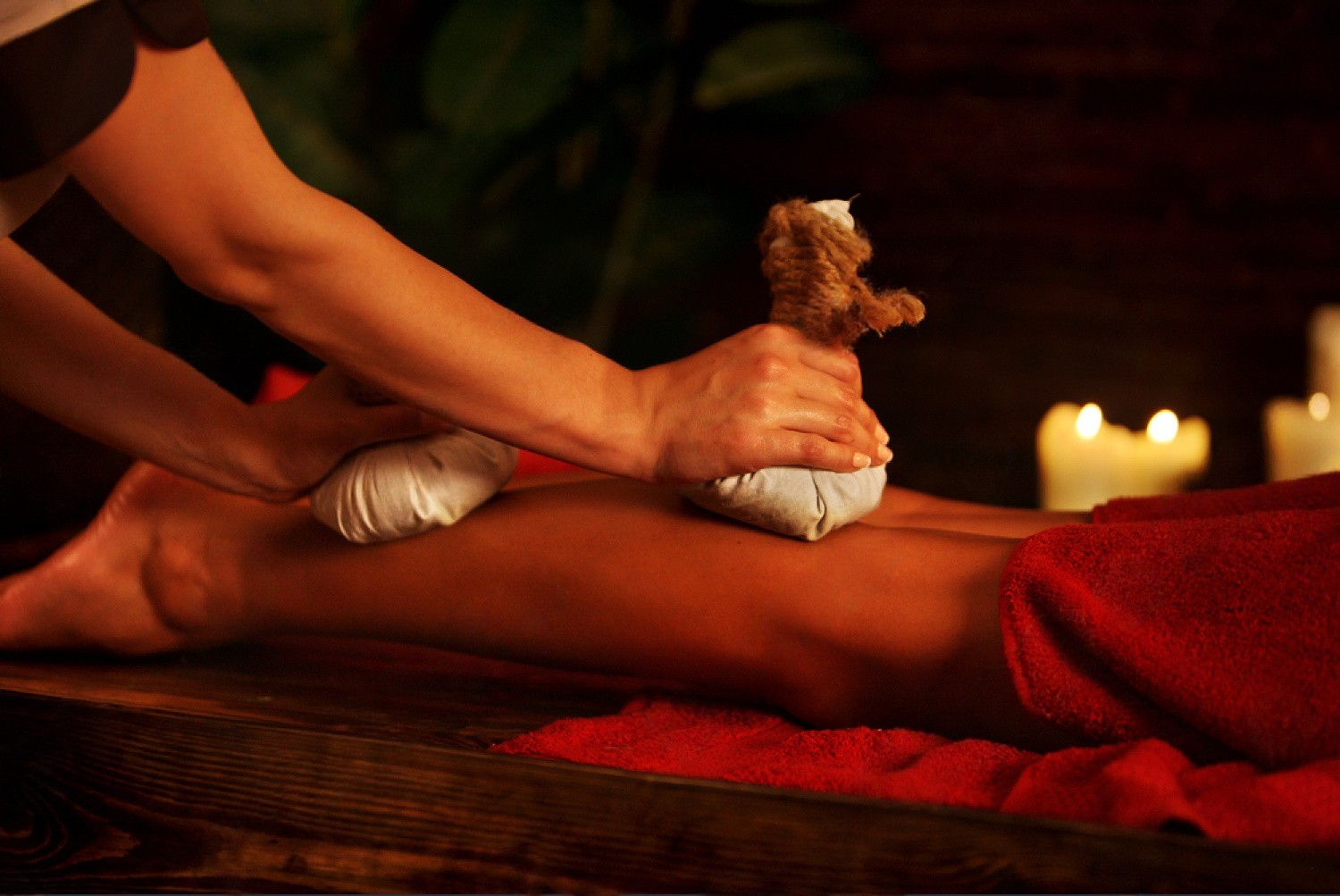
Furthermore, adat petua plays a role in the preservation of beauty and health. Postnatal practices such as bertungku (hot compress) and berbengkung (abdominal binding), as well as the consumption of traditional herbal jamu, exemplify how petua is part of specialized knowledge for maintaining women’s internal health. Beauty-related petua, such as using rice water to soften the skin or aloe vera to promote hair growth, demonstrate how Malays utilized natural resources for body care. These roles show that adat petua extends beyond treating illness to encompass physical appearance and overall well-being.
Medium of Education and Knowledge Transmission
Beyond healthcare, adat petua serves as a medium for education and intergenerational knowledge transfer. Often delivered through parental advice, folktales, or daily conversations, it forms part of the socialization process of Malay children. Through petua, children are not only taught how to care for their health but also instilled with moral values and self-discipline. In this way, adat petua functions as an informal educational tool that shapes identity, character, and an understanding of humanity’s relationship with nature and God.
Marker of Cultural Identity
Finally, adat petua acts as a marker of cultural identity and national heritage. It is practiced not only in daily life but also in ritual contexts such as memorial feasts, childbirth ceremonies, weddings, and traditional healing rituals. The petua observed in these contexts reflects the continuity of traditions that distinguish the Malay community from others. Although modern medicine has become widespread, adat petua continues to be observed, particularly in rural communities, and is regarded as a valuable heritage embodying local wisdom. This role underscores the importance of preserving adat petua as an intangible cultural heritage for future generations.
In the practice of adat petua among the Malays, the selection of ingredients is based on natural resources that are easily obtained from the surrounding environment. Each material possesses its own specific properties and functions, whether for health, beauty, or internal restoration. The use of these materials reflects the wisdom of the Malay community in harmonizing nature with daily needs, while also proving that petua knowledge is not merely rooted in belief but also in observation and accumulated generational experience.
Remedies Using Leaves
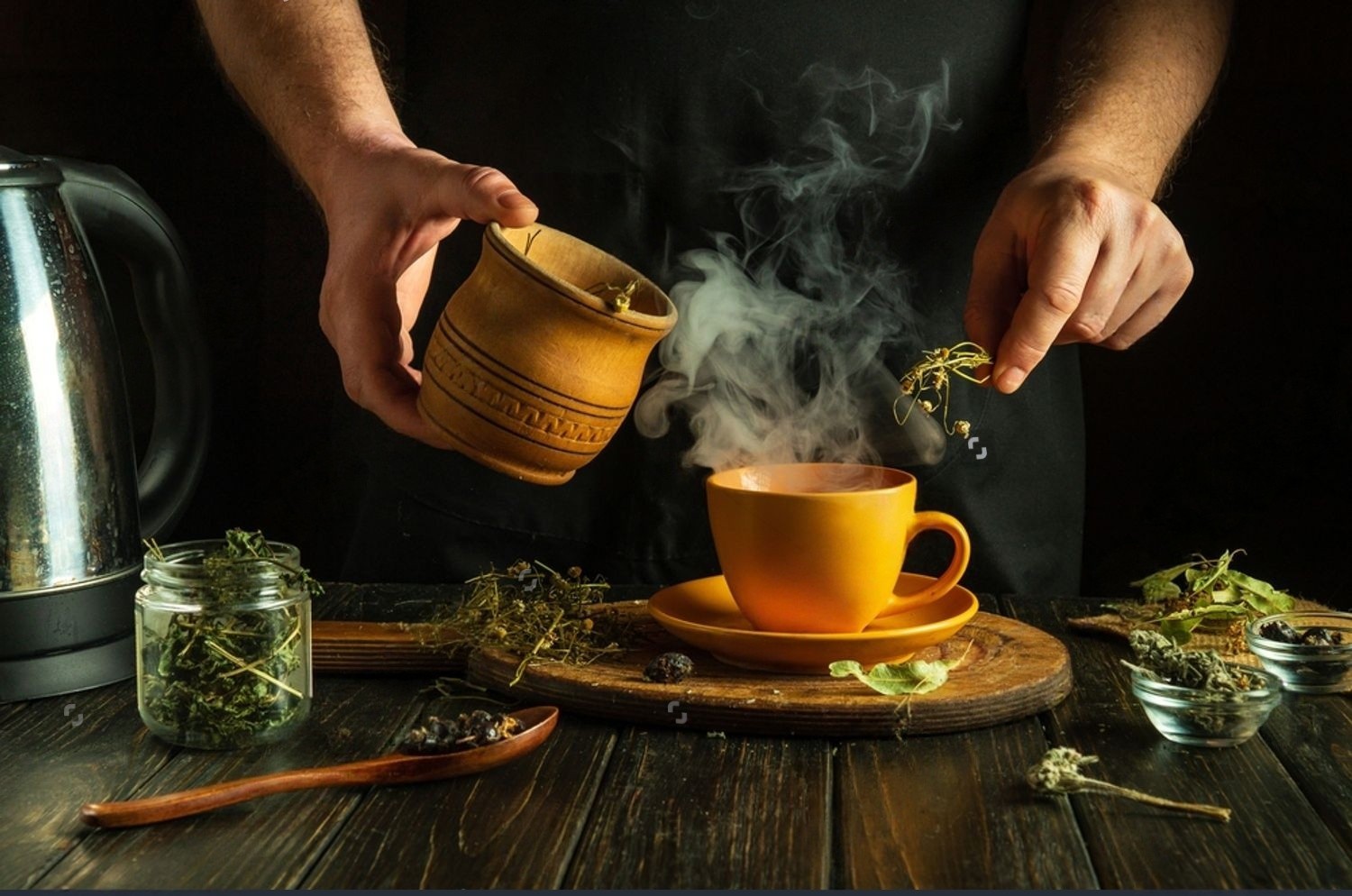
Leaves are the most frequently used basic materials in adat petua due to their accessibility, gentleness on the skin, and natural health benefits. Commonly used leaves include betel, pegaga (centella), hibiscus, pandan, and neem leaves. Their functions vary: some possess antiseptic properties for cleansing the body, others provide cooling effects to reduce fever, while certain leaves calm emotions through their natural aroma. Malays believe that leaves contain the “life force of nature” that can be transferred to the human body to restore energy and dispel negative elements. Hence, practices such as herbal leaf baths, leaf infusions, or leaf poultices continue to be observed today.
Remedies Using Tubers and Rhizomes
Rhizomes such as ginger, turmeric, galangal, and kencur are renowned for their warming and anti-inflammatory properties. They promote blood circulation, relieve bloating, and aid in the healing of wounds and swelling. In adat petua, rhizomes are often consumed as decoctions, applied as poultices, or used in hot compresses (tungku). These properties are closely tied to the Malay belief in bodily balance, where hot and cold elements must be regulated to maintain health. As such, rhizomes are considered essential for restoring energy after childbirth, overcoming fatigue, and enhancing skin vitality.
Remedies Using Roots and Principal Herbs
Roots and principal herbs such as tongkat ali, kacip fatimah, manjakani, and akar serapat are traditionally used to strengthen internal health and reproductive functions. They are believed to aid in uterine contraction, regulate hormones, boost male and female vitality, and strengthen the immune system. Root-based remedies are usually boiled into decoctions or processed into herbal tonics (jamu), with some prepared as powders for long-term use. Their effectiveness is attributed to the roots’ ability to store concentrated nutrients from the soil, thereby transferring potent benefits to the human body.
Remedies Using Spices and Seeds
Spices such as cinnamon, cloves, cardamom, nutmeg, black cumin, and black pepper are not only culinary ingredients but also central in traditional healing. These spices contain essential oils with antibacterial, antiseptic, and warming properties. In adat petua, they are commonly added to herbal baths for detoxification, consumed as tonics for inner strength, or burned as aromatic fumigants during treatments. Their potency lies in their ability to stimulate the body, enhance pleasant aromas, and provide protection against illness.
Remedies Using Fruits and Other Natural Substances
Fruits such as kaffir lime, tamarind, dates, lemon, and young coconut water are widely incorporated into adat petua. These fruits act as body coolants, detoxifiers, and instant sources of energy. For instance, coconut water is consumed to reduce body heat, kaffir lime is used in bathing rituals to eliminate body odor. At the same time, dates are taken to restore energy after illness or childbirth. The use of fruits in remedies reflects the Malay view that natural foods contain balanced nutrients that can promote health without harmful side effects.
Remedies Using Oils and Complementary Substances
Complementary ingredients, such as coconut oil, citronella oil, eucalyptus oil, honey, rock salt, and rice, are also used to complete petua formulations. Oils function as massage mediums, muscle relaxants, and skin protectors, while honey and salt are regarded as natural remedies that enhance vitality and restore bodily balance. Rice, on the other hand, is used in body scrubs (lulur) to beautify the skin. These additional materials demonstrate the creativity of the Malay community in utilizing a wide range of resources, from kitchen staples to forest produce, for the benefit of bodily health.
In the practice of adat petua within Malay society, the preparation of remedies is carried out with care, as it is believed that every correct step directly influences the effectiveness of the treatment. The Malays hold the conviction that each ingredient possesses its own “life force” or energy; therefore, handling must be done with orderliness, patience, and sometimes accompanied by specific prayers. The following summarizes the common techniques of preparation often employed in petua practices:
Decoction Method
The decoction method is the most widely practiced in adat petua. Selected natural ingredients are thoroughly cleaned before being boiled in water until they boil and change color. This process is believed to release the essence and natural properties of the ingredients, making them more easily absorbed by the human body. Decoctions are typically used in various forms: consumed as health tonics, prepared as herbal baths to refresh the body, or employed for soaking to aid recovery. This practice is regarded not only as a form of physical treatment but also as a form of inner healing that restores bodily energy, improves health, and revitalizes the spirit of the individual.
Pounding and Rubbing Method
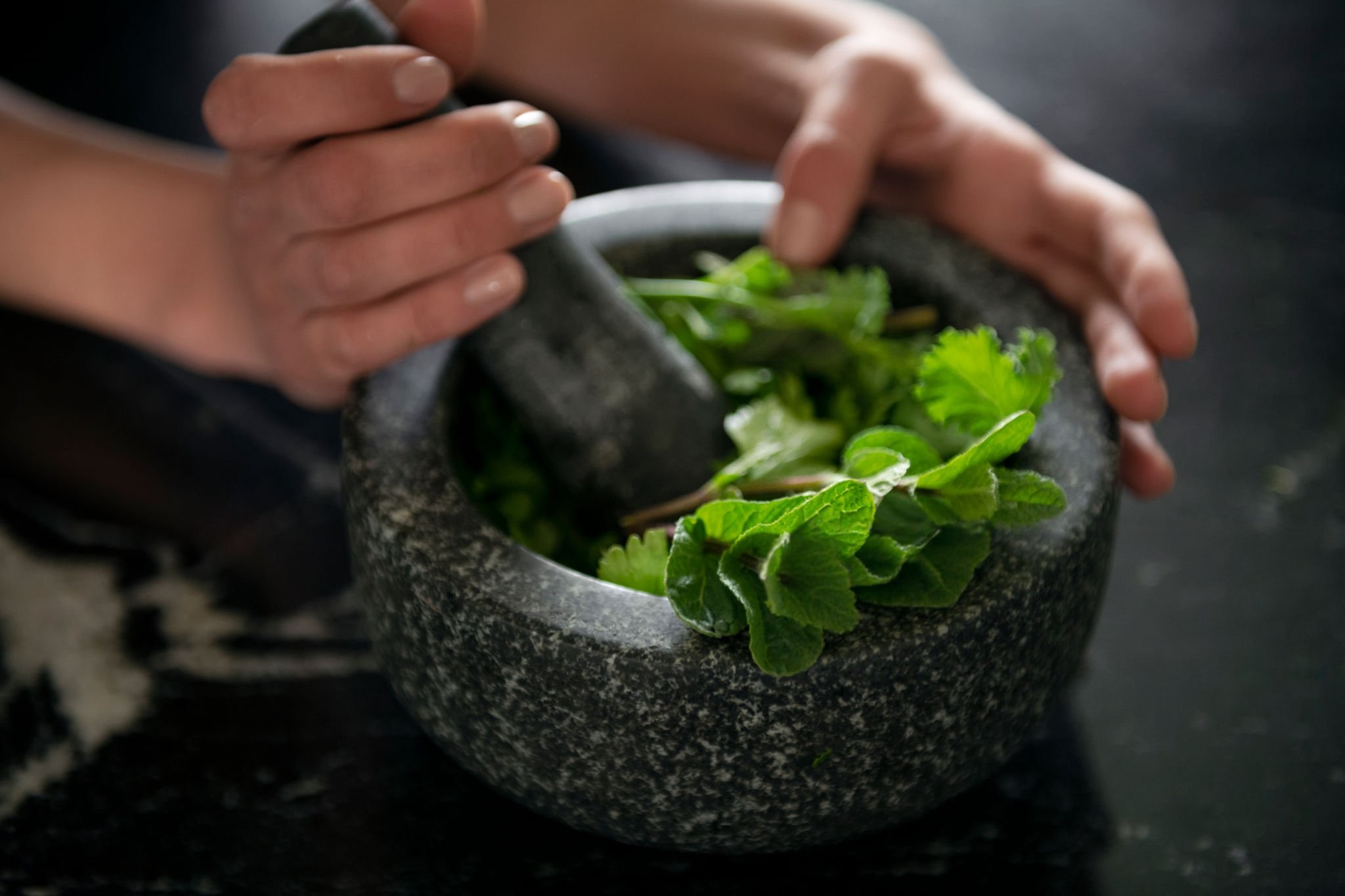
Another method involves pounding and rubbing fresh ingredients. The ingredients are finely pounded using a mortar and pestle, or kneaded with water until their natural essence is released. The resulting mixture can be applied as a poultice to specific body parts, used as a topical application, or mixed with water for bathing purposes. This technique emphasizes the use of fresh, raw ingredients without heating, as it is believed that such preparation preserves their original benefits. Beyond its physical effects, this method is also believed to enable the natural energy of the plants to be transferred into the body, thereby restoring balance and well-being.
Application and Massage Method
Application and massage represent another significant form of treatment in adat petua. Remedies are typically prepared into oils or pastes, which are then applied to specific parts of the body. These applications are believed to relieve pain, improve blood circulation, and restore energy. Massage, in this context, not only relaxes the muscles and alleviates discomfort but is also considered a way to regulate the body’s energy flow. Massaging with natural remedies is further believed to induce calmness, expel negative elements, and strengthen one’s spirit. Hence, application and massage are not only physical therapies but also holistic healing practices encompassing physical, emotional, and spiritual dimensions.
Bathing and Steam
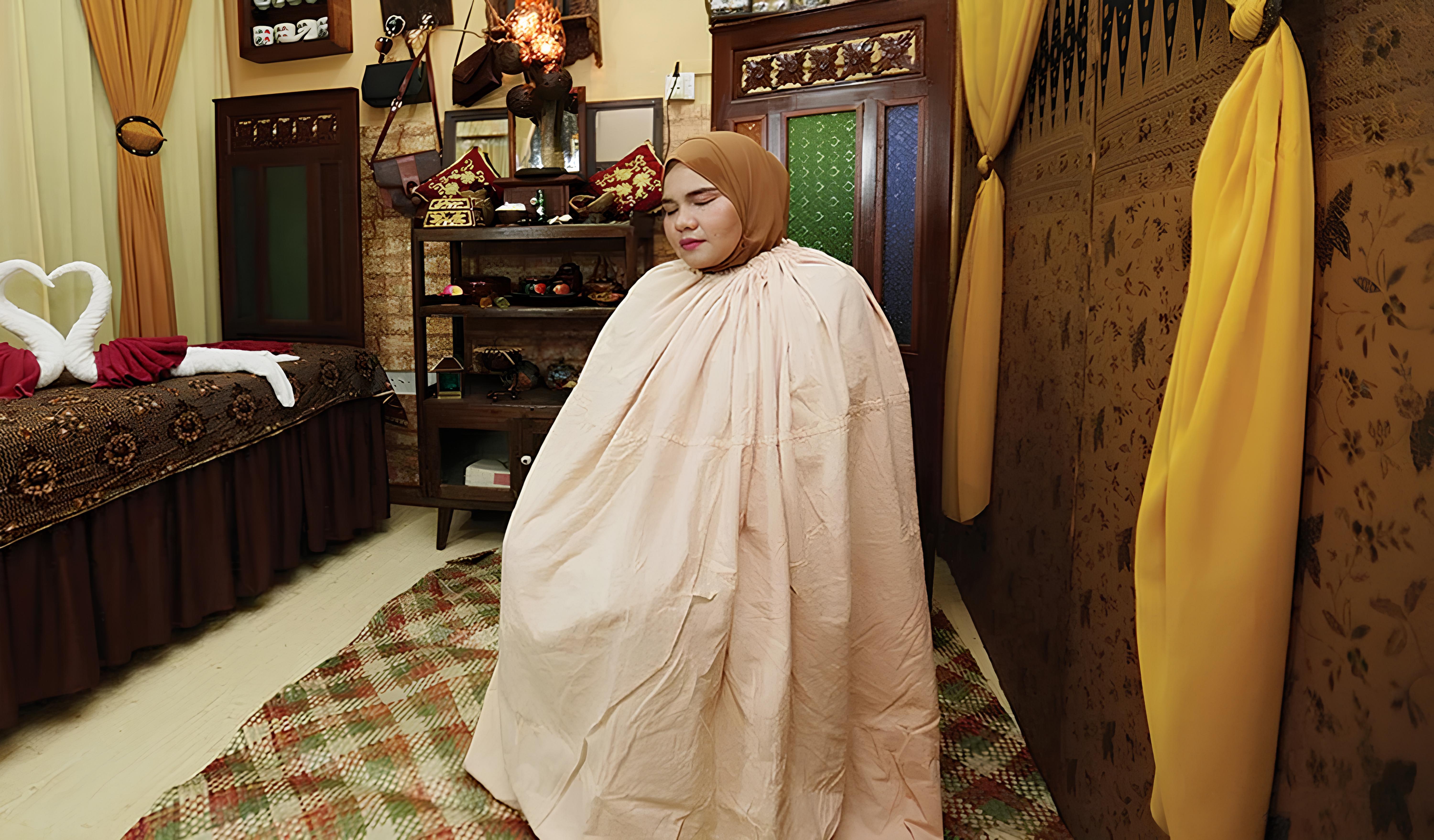
Bathing and steam treatments are essential practices in adat petua, emphasizing health care from both external and internal aspects. Selected natural ingredients are boiled until their aroma and essence are released, then used either as bathwater or as hot steam for soaking and bertangas (herbal steaming). Herbal baths are believed to refresh the body, eliminate unpleasant odors, and provide emotional calmness. Meanwhile, steam treatments allow the body to absorb heat and aroma from the herbal mixture, which are believed to restore internal energy, relieve fatigue, and improve bodily balance. This practice reflects the Malay philosophy that healing is not confined to the body alone but also includes mental and spiritual well-being.
Internal Consumption Method
Internal consumption is another important method in adat petua, focusing on treatments that work from within the body. Natural ingredients are processed, whether through boiling, blending, or combining in specific mixtures and consumed regularly as tonics or jamu (herbal concoctions). This practice is believed to increase vitality, strengthen the immune system, and maintain bodily balance for better health. Beyond physical benefits, internal consumption is also associated with spirituality, as prayers or specific intentions often accompany it before drinking. This reflects the Malay view that healing involves not only physical health but also emotional and spiritual strength. Thus, internal consumption is regarded as a holistic remedy that helps maintain bodily balance in daily life.
In summary, the methods of preparation in adat petua reflect the wisdom of the Malay community in utilizing natural resources for healing and well-being. Whether through decoction, pounding and rubbing, application and massage, bathing and steam, or internal consumption, each method carries its own distinct function. With careful and orderly preparation, adat petua continues to live on as a cultural heritage, showcasing the refinement of thought and local wisdom of the Malays in managing health and daily life.
Reference Source
Bahan Bacaan
Akhiar, S. K. B. (2016). Amalan dan penggunaan herba dalam perubatan tradisional Melayu selepas bersalin di zon tengah, Semenanjung Malaysia (Tesis doktor falsafah, Universiti Tun Hussein Onn Malaysia). Universiti Tun Hussein Onn Malaysia.
Hasbullah, H. W. A. H., & Hassan, N. N. N. (2017). Amalan perubatan herba dan keseimbangan humoral dalam penjagaan kesihatan post partum wanita Melayu: Perspektif budaya dan perubatan [Herbal medicine practices and humoral balance in post partum health care for Malay women: Culture and medicine perspective]. Asian Journal of Environment, History and Heritage, 1(2), 1–15.
Naim, D. M., Yusoff, Z. M., & Othman, S. (Eds.). (2017). Perubatan tradisional: Aplikasi semasa. Penerbit USM.
Omar, S., & Mohamad Cusairi, R. (2015). Pengaruh kepercayaan dan agama Islam dalam perubatan tradisional masyarakat Melanau Sarawak. Jurnal Antarabangsa Alam dan Tamadun Melayu, 3(3), 41–55.
Piah, H. M. (2015). Ilmu perubatan Melayu tradisional dari naskhah-naskhah lama. Jurnal Antarabangsa Alam dan Tamadun Melayu, 3(3), 3–17.
Wahab, H. A. (2013). Petua dan pantang larang tradisional dalam alam Melayu Sarawak. International Journal of the Malay World and Civilization, 1(1), 89–97.
Yunos, Y., Yusoff, M. Y. M., Hanafiah, M. G., & Jamian, M. N. (2016). Kepandaian orang Melayu dalam mentafsir ruang perubatan tradisional. Geografia-Malaysia Journal of Society and Space, 12(11), 79–91.
Yusoff, W. F. W. (2017). Nilai dan simbolisme sirih dalam budaya serta perubatan tradisional masyarakat Melayu dan India. Universiti Sains Malaysia.
Tokoh (jika ada temu bual tokoh)
Location
State JKKN Contact Information
Cultural Officer
Jabatan Kebudayaan dan Kesenian Negara
Use the form below to contact the Informant/Figure/Editor/Researcher directly. We will respond to your inquiry as soon as possible!


