

ARTS AND CULTURE INFORMATION GATEWAY
Immerse yourself in the colorful world of art and culture! From traditional heritage to contemporary works, discover uniqueness that reflects the nation's identity and identity
GENDANG 24 MUSIM

Picture
1
Video
No record
Today's Visitor
3158
Number of Visitors
10920
Introduction and history
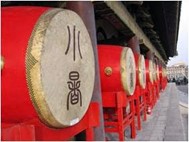
The 24-Season Drums, also known as Chinese drums or shigu among traditional music players in Malaysia, is an ensemble that features 24 drums, each representing one season in the 24 solar terms of the Chinese calendar. This calendar, created by the ancient Chinese people, is based on various natural phenomena, particularly climate changes. The name of each season is written on each drum using Chinese calligraphy.
In general, this ensemble combines three elements of Chinese traditional culture and belief: the 24 solar terms or seasons, the art of calligraphy, and the drumming art form. This unique fusion has led to the creation of a new cultural art form and a reinterpretation of drum performance, which previously did not exist in Chinese communities, particularly among Malaysian Chinese.
The 24-Season Drums became popular due to their large number and have been taught in Chinese schools across Malaysia since the 1990s. The first 24-Season Drum ensemble in Malaysia was established by a music teacher from Johor Bahru, Mr. Chen Wei Chong, on 12 June 1988.
The first performance of this ensemble featured only nine drums and was performed by a Chinese organization in Johor Bahru. Due to the positive reception and growing interest, the organization successfully raised funds to purchase an additional 15 drums to complete the ensemble.
The 24-Season Drums serve several functions, such as accompanying lion dance performances during official ceremonies and festivals, performing solo acts during cultural events, and opening curtain acts for Chinese cultural performances.
Due to its diverse functions, the drum ensemble has been combined with other traditional percussion instruments like the rebana ubi and tabla. This combination was performed during Malaysia’s Independence Day celebrations to showcase the unity that has long existed among Malaysia's diverse communities.
While the ensemble was traditionally only played by men, this is no longer the case. Women and individuals from other ethnicities are increasingly showing interest in this musical art form. Furthermore, the performances are no longer limited to major Chinese festivals but are now featured at official government events as well.
The costumes for the 24-Season Drums are an essential element of this artistic performance, as the attire reinforces the identity and theme of each performance. These costumes are meticulously designed to reflect seasonal changes and complement the rhythm and style of the performance.
General Features of the Costumes
1. Colors and Motifs
o The costumes typically use bright and striking colors such as red, gold, and black.
Red and Gold: Symbolize good fortune, joy, and high energy, often associated with Chinese celebrations and traditions.
Black and White: Provide balance or contrast to brighter colors, symbolizing calmness and harmony for certain seasons like winter or autumn.
o Traditional Chinese designs, with loose cuts, allow for free movement during drumming and choreography.
o Elements representing seasonal symbols or natural phenomena, such as flowers, leaves, or weather patterns, are often incorporated into the designs.
2. Seasonal Costumes
Each season depicted in the 24-Season Drums has unique visual elements in the performers’ attire. Examples include:
o Spring:
Soft colors like pink, bright yellow, or light green.
Floral or budding leaf motifs representing renewal and rebirth.
o Summer:
Vibrant colors such as red, gold, and ocean blue to depict heat and active life.
Open and casual designs with accessories like ribbons or golden threads.
o Autumn:
Earthy tones like brown, orange, and golden yellow reflecting fallen leaves and seasonal changes.
Elegant costumes with slightly longer cuts and leaf or wind motifs.
o Winter:
Darker shades such as midnight blue, black, or gray to depict cold and solemnity.
Layered or tighter clothing with snowflake or frost motifs.
3. Additional Costume Elements
o Accessories: Traditional hats, scarves, and ornaments enhanced with golden buttons or gemstones for added visual impact.
o Natural Elements: Embroidered motifs of flowers, clouds, rain, and wind representing seasonal changes.
o Footwear: Traditional shoes, often made from cloth or with low heels, enabling performers to move swiftly while drumming.
4. Functions of the Costumes
o Reinforcing Seasonal Themes: Costumes help the audience understand the represented season through visual elements.
o Unity and Synergy: Costumes create harmony and synergy among performers, showcasing a cohesive performance.
o Aesthetic Appeal: Visually striking costumes enhance the overall artistic experience of the performance.
The equipment and materials used in the 24-Season Drums play a critical role in ensuring a smooth and impactful performance. Each piece of equipment serves a specific purpose, blending music and visuals to create a dynamic and harmonious experience.
1. Drums
The drums are the primary instruments in the 24-Season Drums performance, with each drum representing a season in the traditional Chinese 24-season calendar.
• Materials:
o Drums are typically made from hardwoods such as teak or mahogany for durability and sound quality.
o The drumheads are covered with cowhide or other animal skins to produce strong, resonant tones.
o The size of the drums varies, but they are generally larger than other traditional Chinese drums.
• Functions:
o Drums accompany the performance and depict seasonal changes through rhythm.
o Each season has a distinct rhythm to express its characteristics, e.g., energetic beats for summer or slower tempos for autumn.
2. Drumsticks
• Made from lightweight but durable wood.
• Sometimes wrapped with soft materials like cloth or felt for varied sound effects, such as deeper or sharper beats.
• The design is typically long and slightly larger to match the drum size.
-
Reference Source
i. Bahan Bacaan
RTM News – Paluan Gendang Cina dijadikan aktiviti kesenian sekolah
Location
State JKKN Contact Information
Nur Al-Farani binti Rosli
Cultural Officer
Jabatan Kebudayaan dan Kesenian Negara, Melaka
Kompleks JKKN Melaka
Hang Tuah Jaya, Lebuh Ayer Keroh,
75450 MELAKA
06 - 763 6308
Use the form below to contact the Informant/Figure/Editor/Researcher directly. We will respond to your inquiry as soon as possible!


