

ARTS AND CULTURE INFORMATION GATEWAY
Immerse yourself in the colorful world of art and culture! From traditional heritage to contemporary works, discover uniqueness that reflects the nation's identity and identity
PERMAINAN TRADISIONAL LANSARAN MURUT
 Kampung Maugus, SK Gumisi, Peti Surat 159
89908 Tenom, Sabah
Kampung Maugus, SK Gumisi, Peti Surat 159
89908 Tenom, Sabah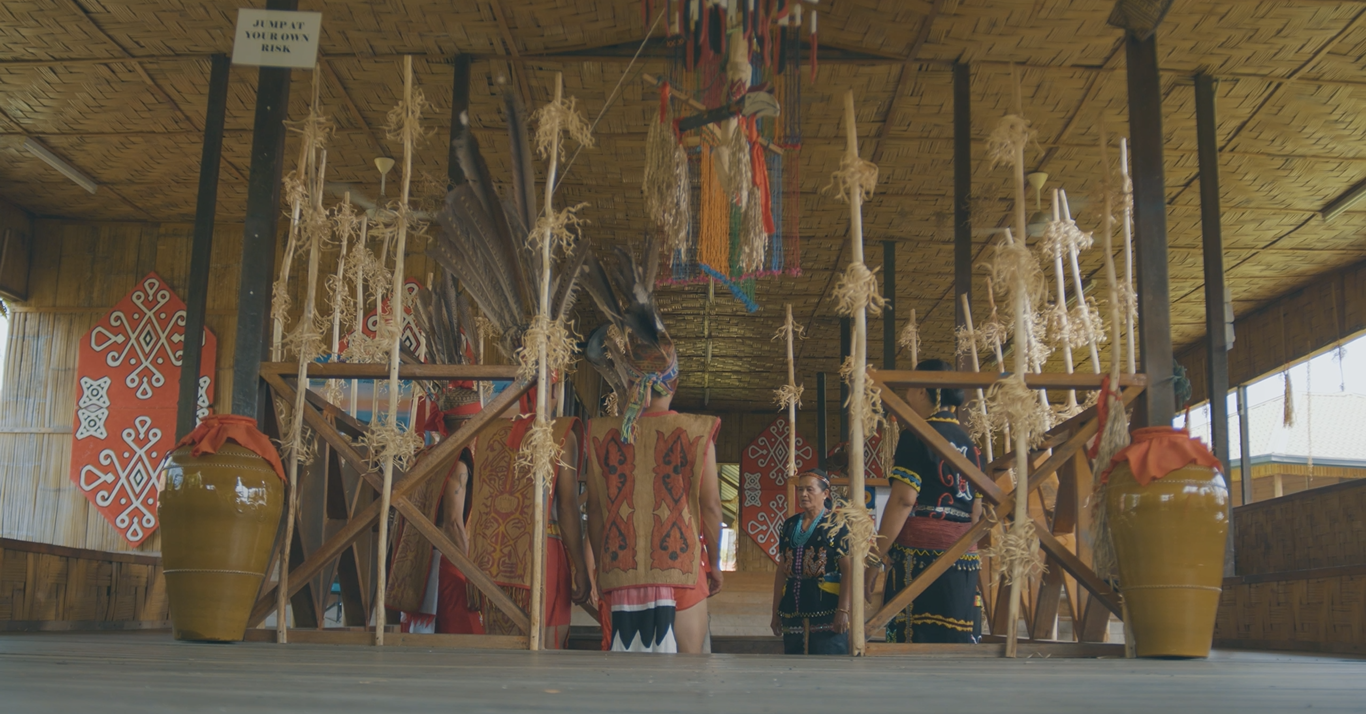




Picture
17
Video
Available
Today's Visitor
210
Number of Visitors
5923
Introduction and history
Lansaran is from a Murut word, lumasar, which means to bounce or wobble. This tradition is a Murut tribe legacy, and practiced especially in Tenom and Keningau districts, Sabah. Back then, it was a custom in paying respect to the spirit, or spirits of human skulls acquired in wars or tradition of ngayau.
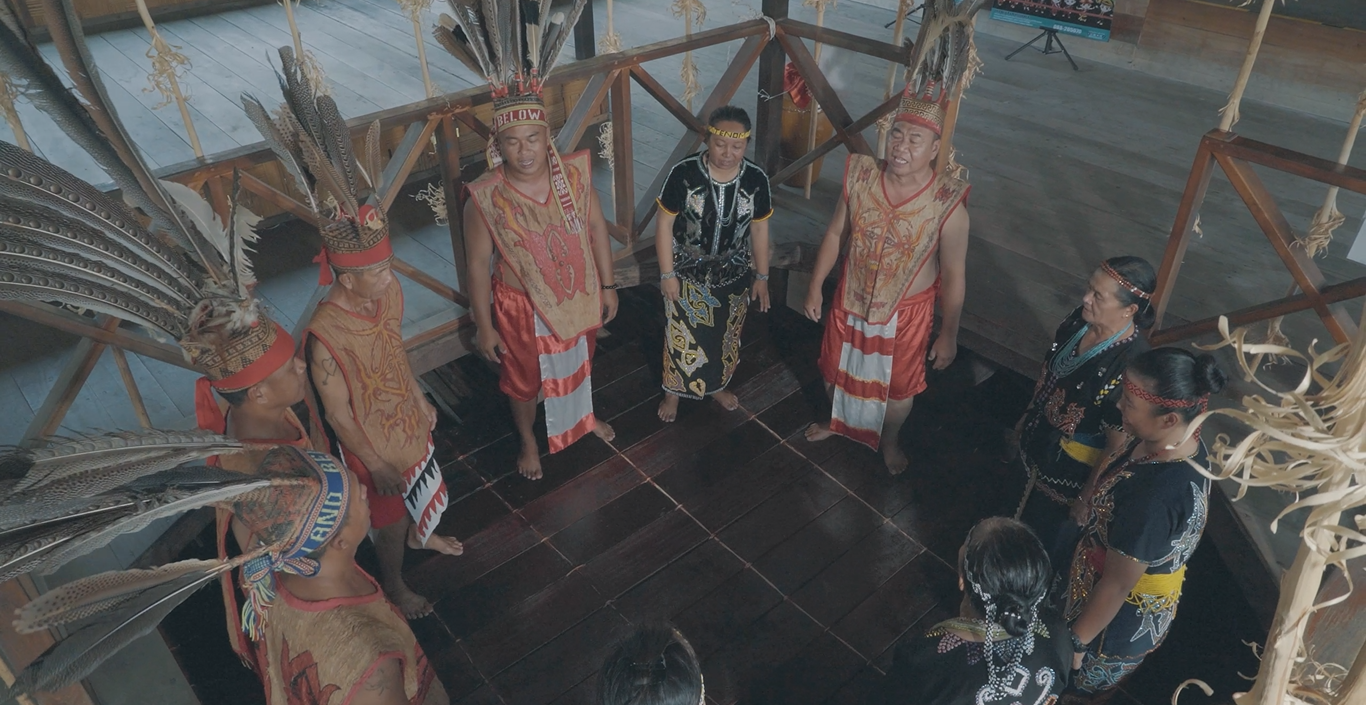
The game is played with group dancing.
In the old days, lansaran was to respect the spirits. But now it functions as an entertainment, which is often played and watched at the annual competitions and art and culture events of the Kalimaran Murut festival.
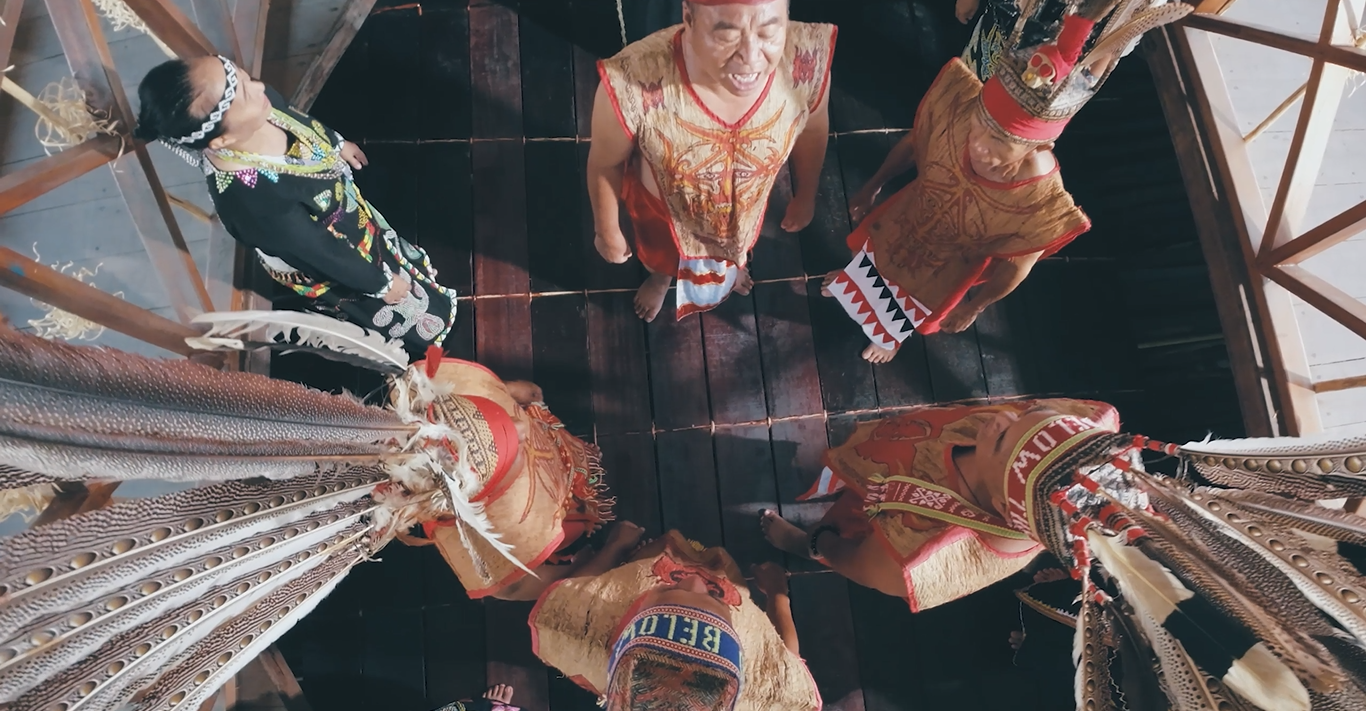
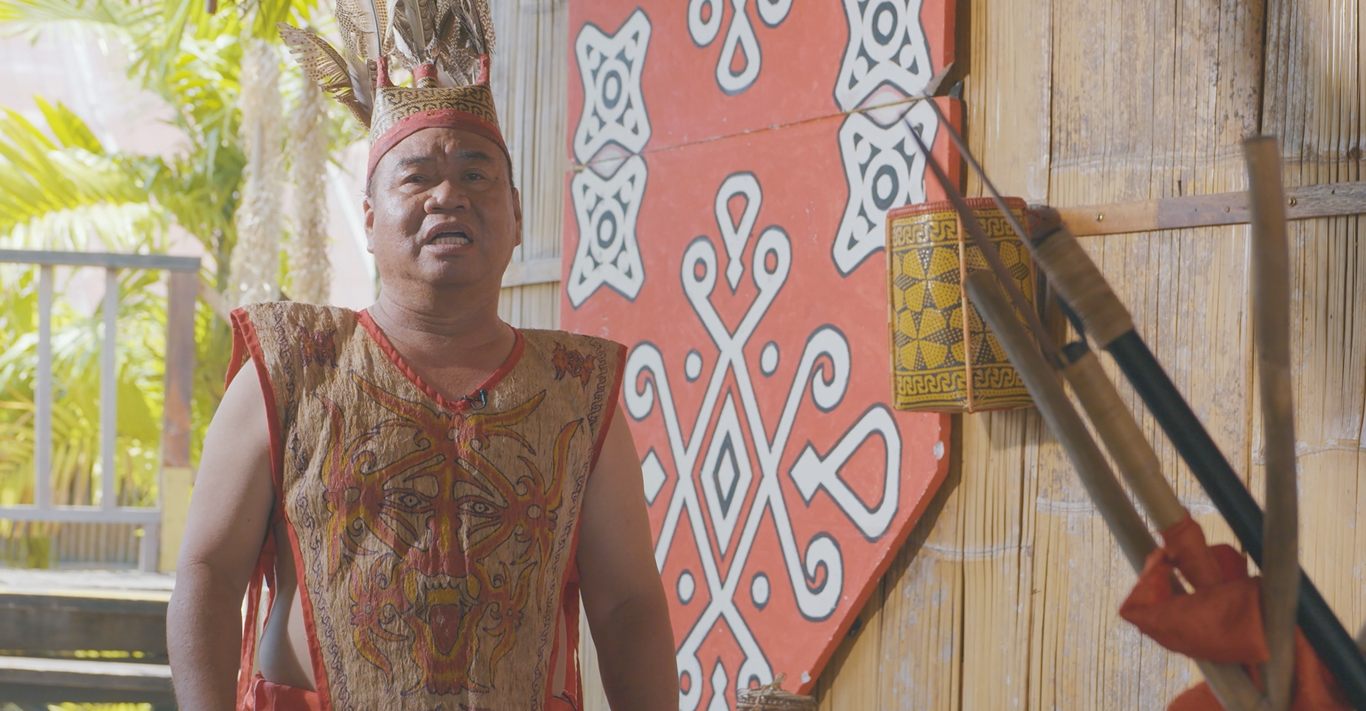
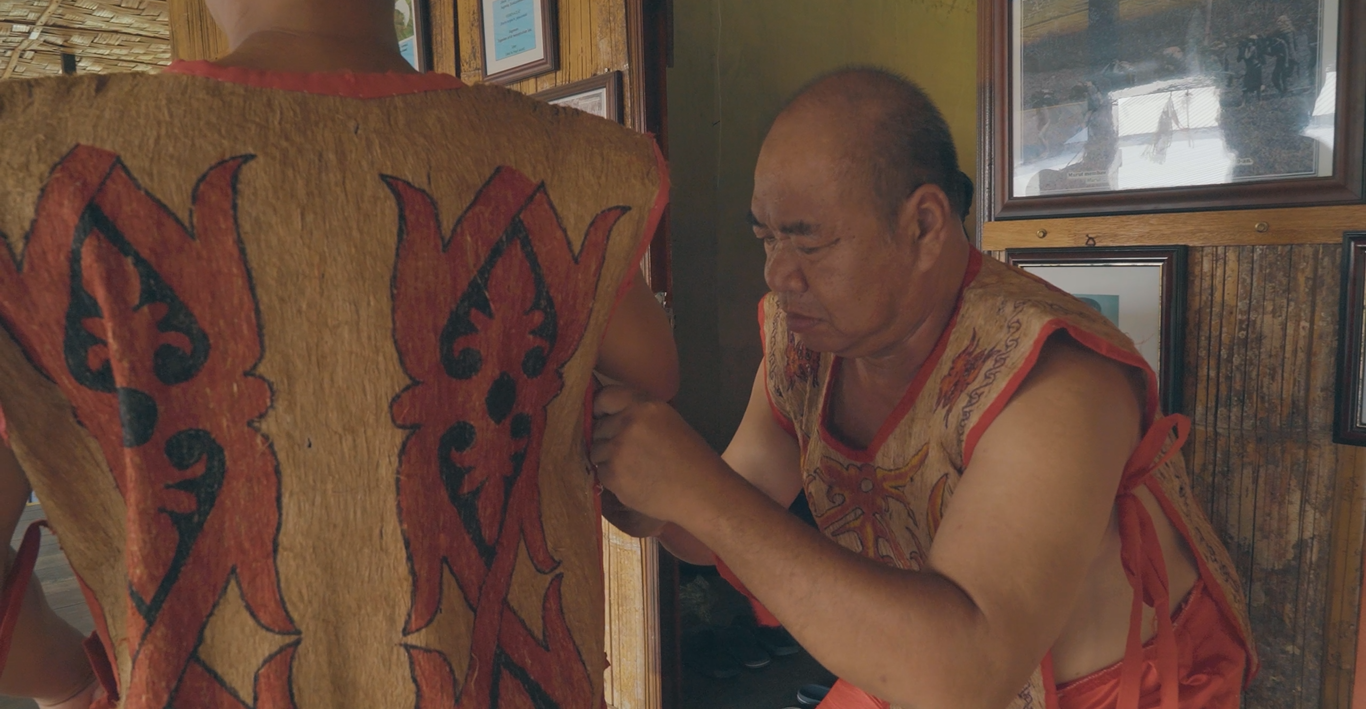
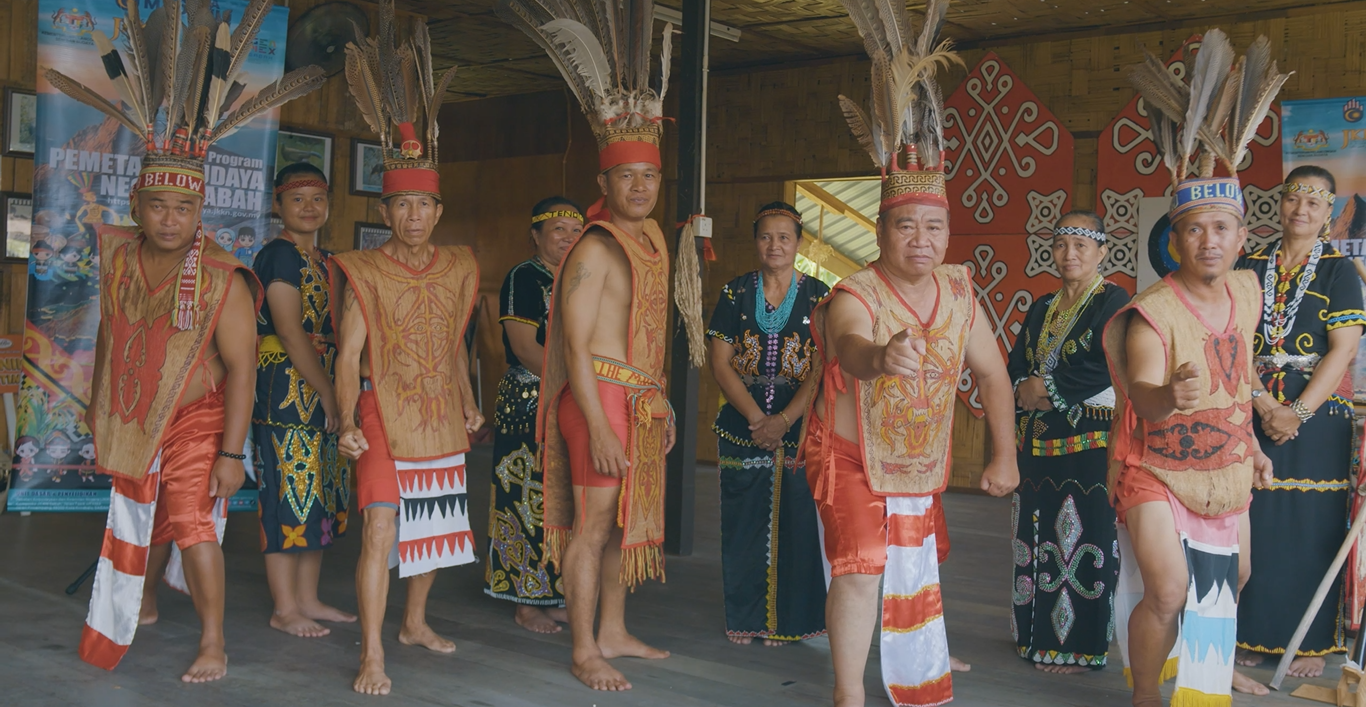
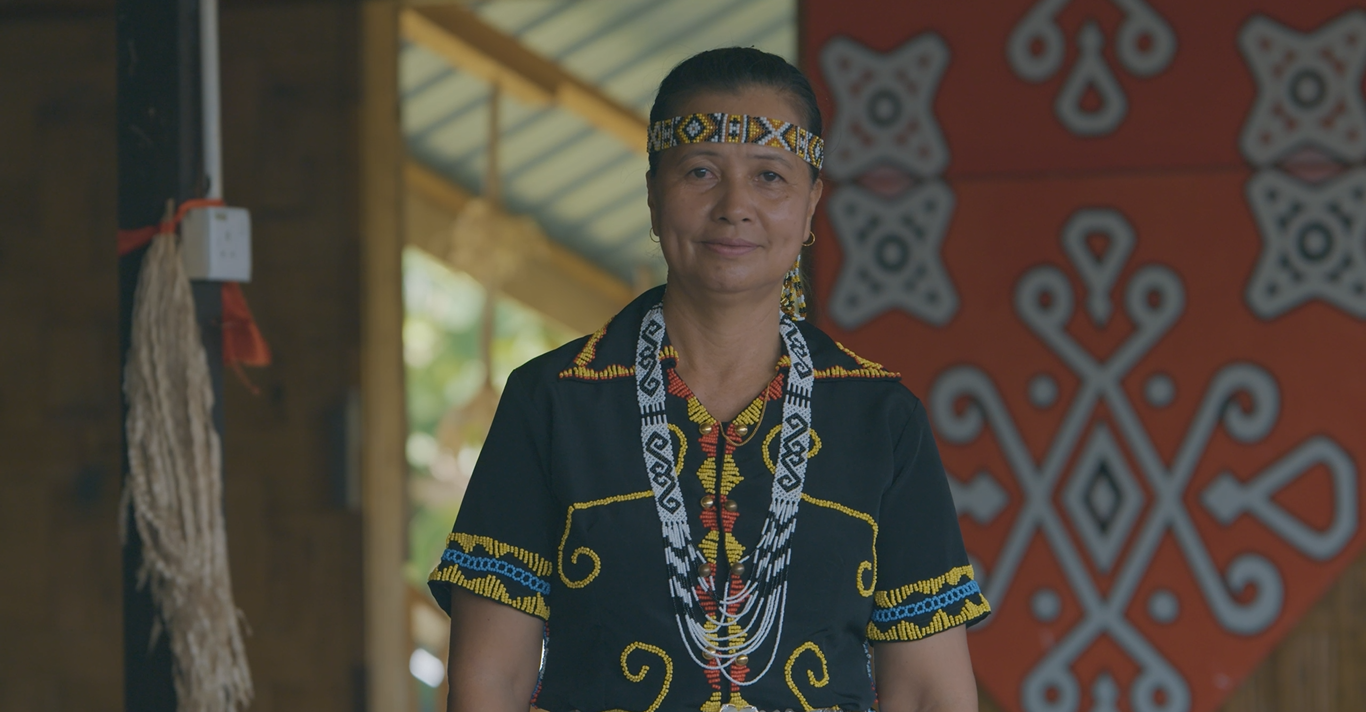
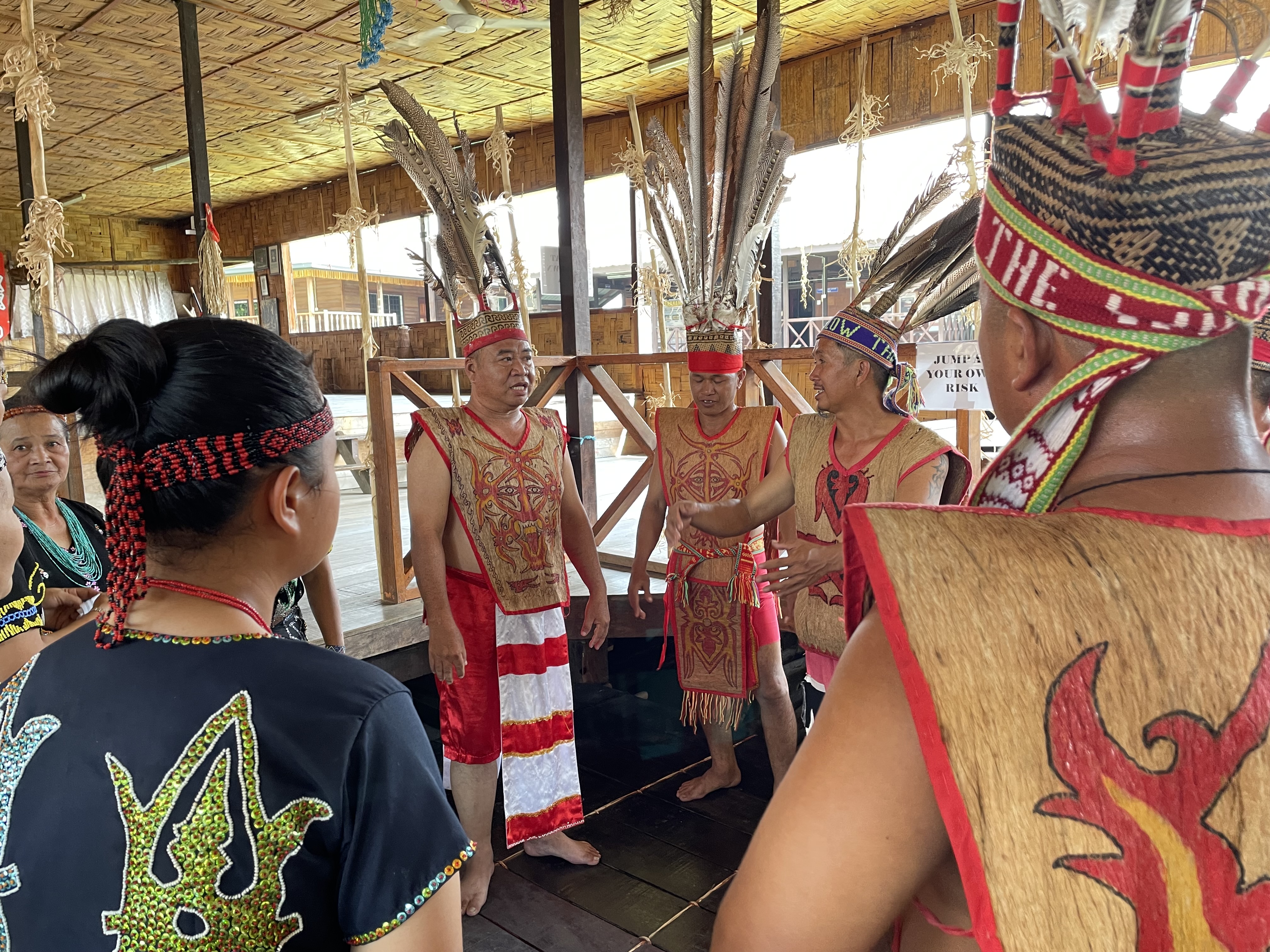
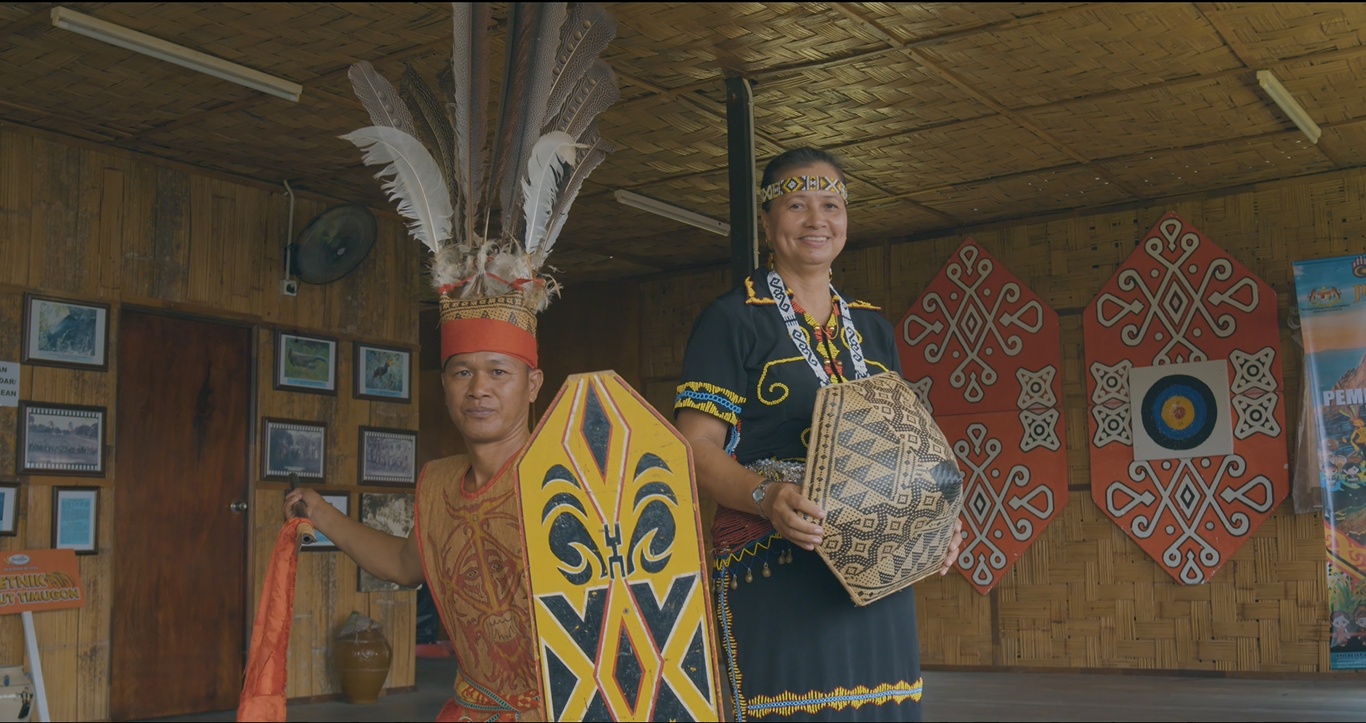
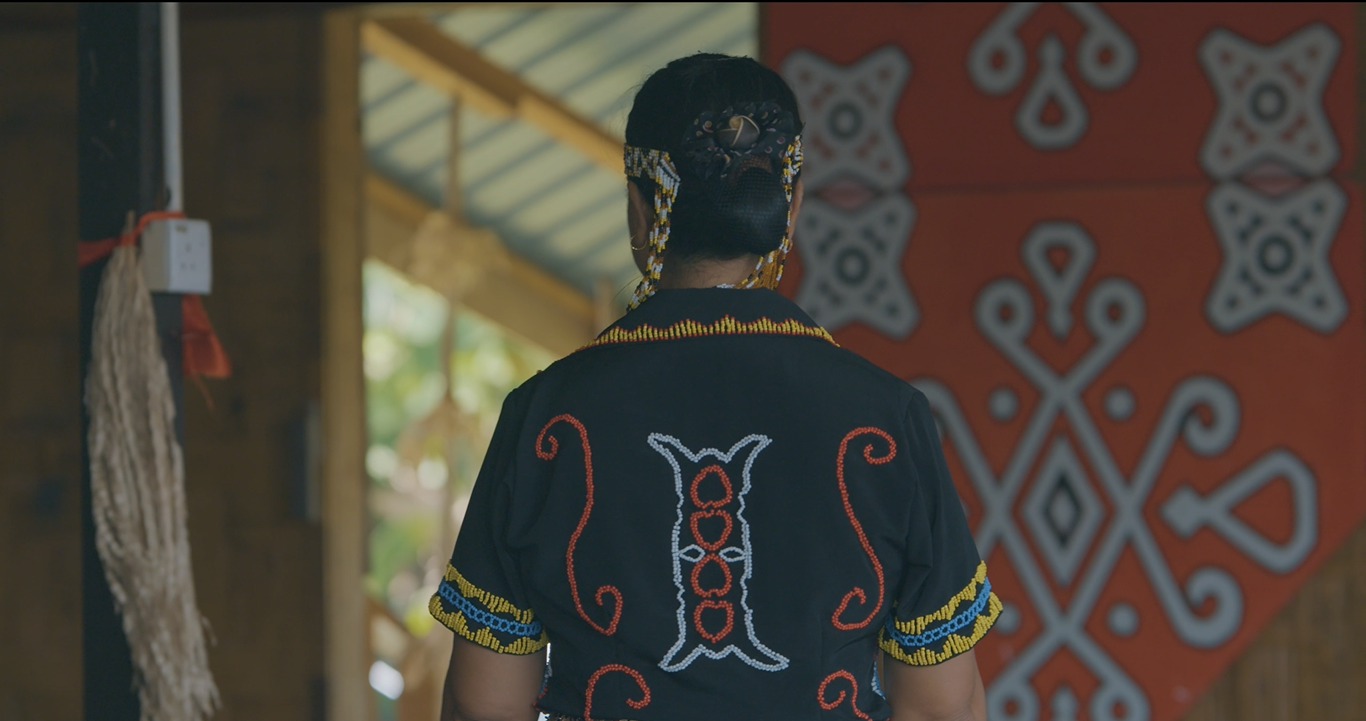
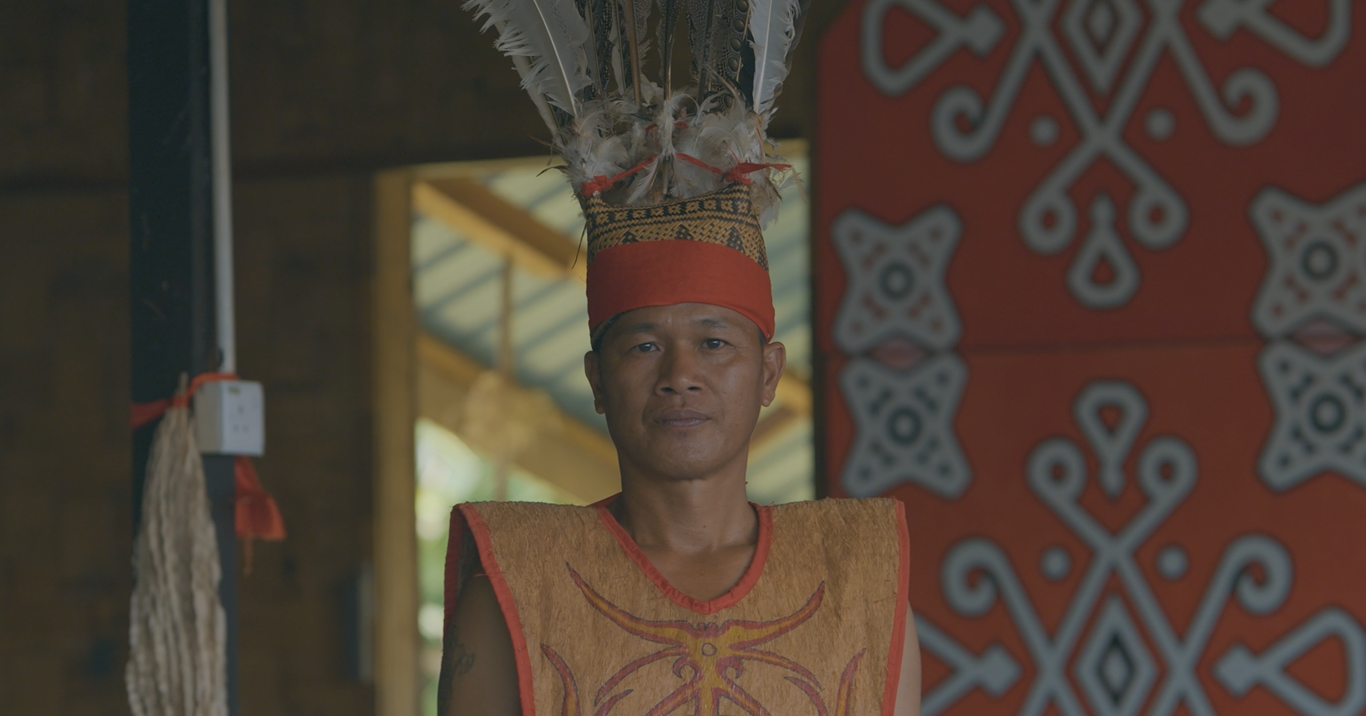
Back then, male lansaran dancers wore traditional clothing from wood bark and a loincloth following the Murut tradition. They also wore hats, the lalandau, decorated with long feathers of a bird called Tuou. While female dancers won their black traditional clothing and colorful beads.
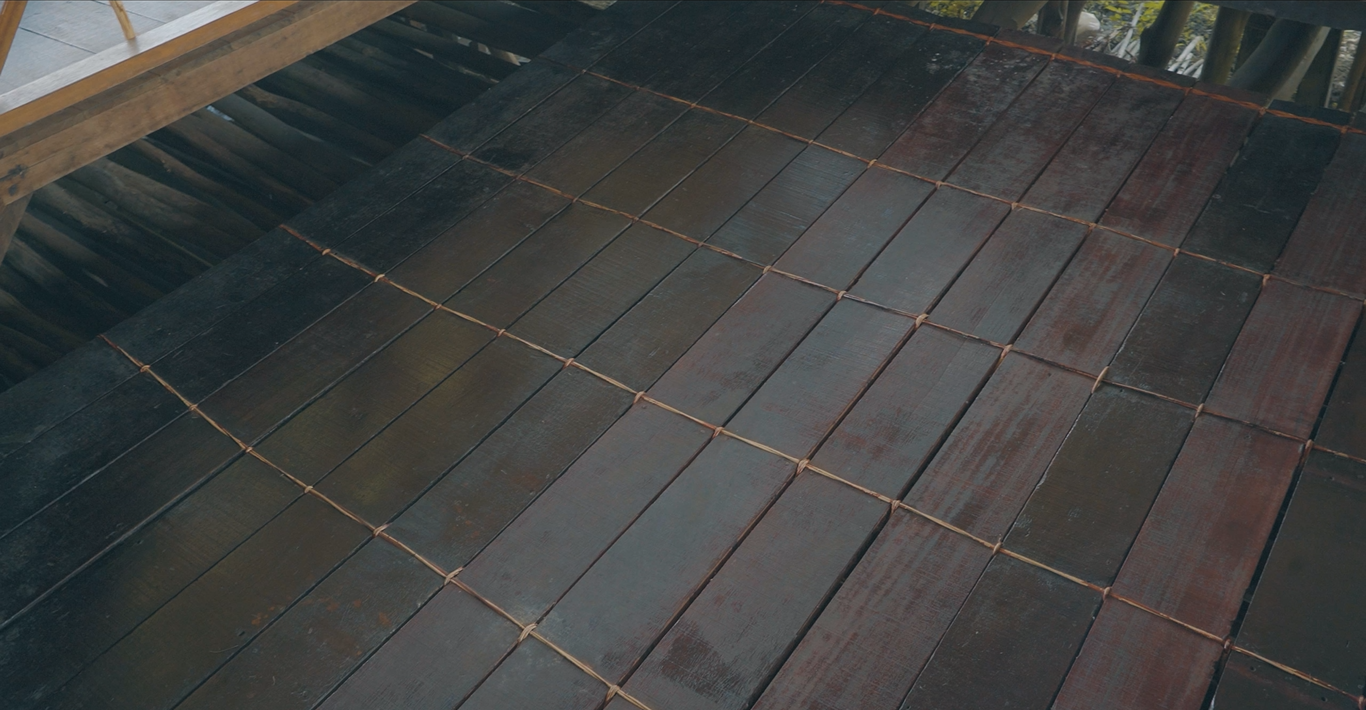
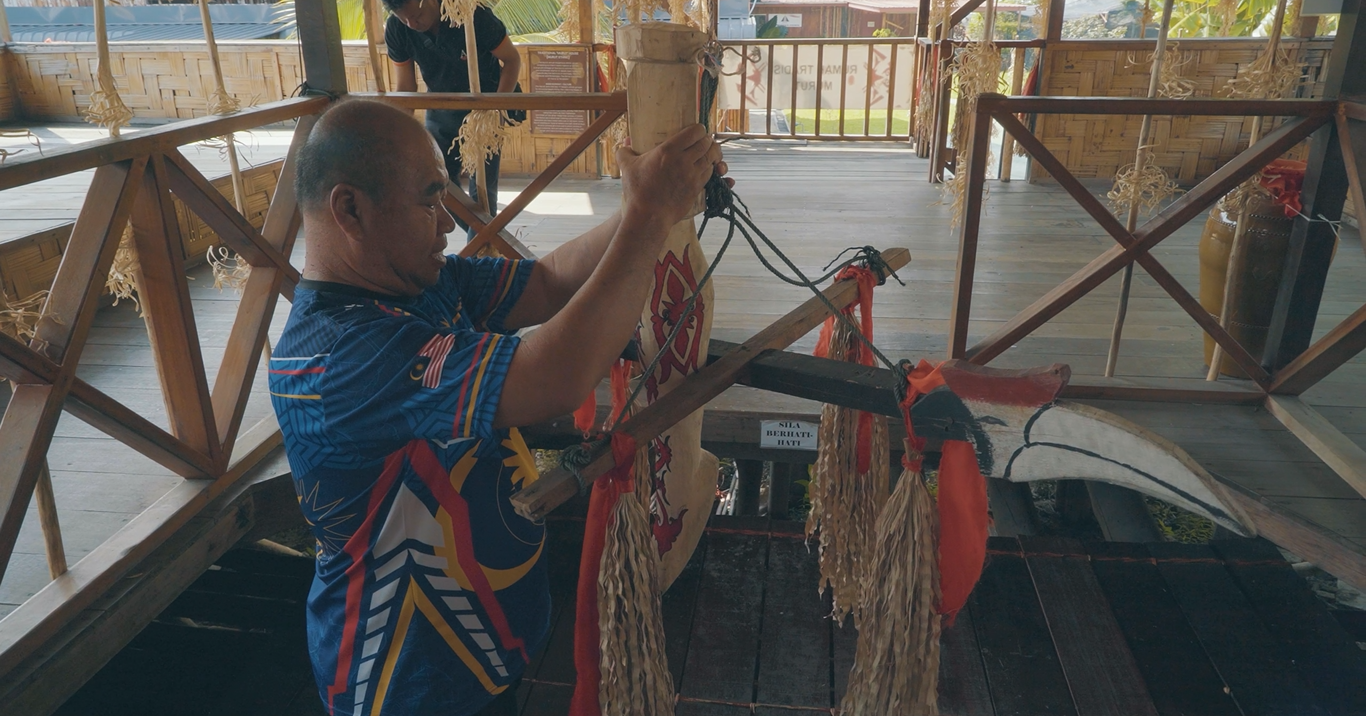
To play, they build a court in a special space in their longhouse, eight to 30 square feet to accomodate up to 30 players. One needs several large pieces of timber, the size of a adult man arm to build the lansaran. This timber is called selangan batu. These pieces of timber are tied up with rattan to hold the lansaran floor and hung a foot lower than the floor of the longhouse.
When players step on the lansaran, it will be bouncing. Prizes (kinkilat), are hung on the ceiling where the players bounce as high as possible to grab the prize.
The players will move in circle on the lansaran floor and thump the wood under it (the lansran floor). Cheering, the male try to bounce as high as possible to grab the prize hung high up. The peak of the game is when the players recite rhymes back and forth to each other harmoniously and cheerfully.
i) Nasip@Zulani B Ampiu
ii) Joyce Andolok
iii) Judeth John Baptist
Reference Source
- i. PUAN JOYCE ANDOLOK
- ii. ENCIK NASIP@ZULANI B AMPIU
- iii. PUAN JUDETH JOHN BAPTIST
- iv. Min, T. M., & On, L. K. (2019). SIGNIFIKAN BUDAYA MENGAYAU DAN RITUAL DALAM PERSEMBAHAN LANSARAN: MENGAYAU SIGNIFICANT HEAD-HUNTING CULTURE AND RITUAL IN LANSARAN PERFORMANCE. Jurnal Gendang Alam (GA), 9.
- v. Sukirman, S. N. (2020). ASAL USUL TARIAN TRADISIONAL PELBAGAI BUDAYA DI LUAR DAN DI SABAH: THE VARIOUS TRADITIONAL ORIGINS OF CULTURAL DANCE OUTSIDE AND IN SABAH. Jurnal Gendang Alam (GA), 10(2).
- vi. Min, T. M., & On, L. K. (2021). LANSARAN ETNIK MURUT TAHOL: PERMAINAN ATAU TARIAN TRADISIONAL? MURUT TAHOL ETHNIC LANSARAN: TRADITIONAL GAME OR DANCE?. Jurnal Gendang Alam (GA), 11(1).

Location
State JKKN Contact Information
Puan Nurshahrinna Syahrial
Cultural Officer
Jabatan Kebudayaan dan Kesenian Negara, Sabah
Kompleks JKKN Sabah,
Jalan Tasik off KM4 Jalan Penampang,
88200 Kota Kinabalu
SABAH
088-205070
Use the form below to contact the Informant/Figure/Editor/Researcher directly. We will respond to your inquiry as soon as possible!


