

ARTS AND CULTURE INFORMATION GATEWAY
Immerse yourself in the colorful world of art and culture! From traditional heritage to contemporary works, discover uniqueness that reflects the nation's identity and identity
HADRAH DAN TARIAN HADRAH (KEDAH)
 116 D, Taman Wira Mergong, 05150, Alor Setar, Kedah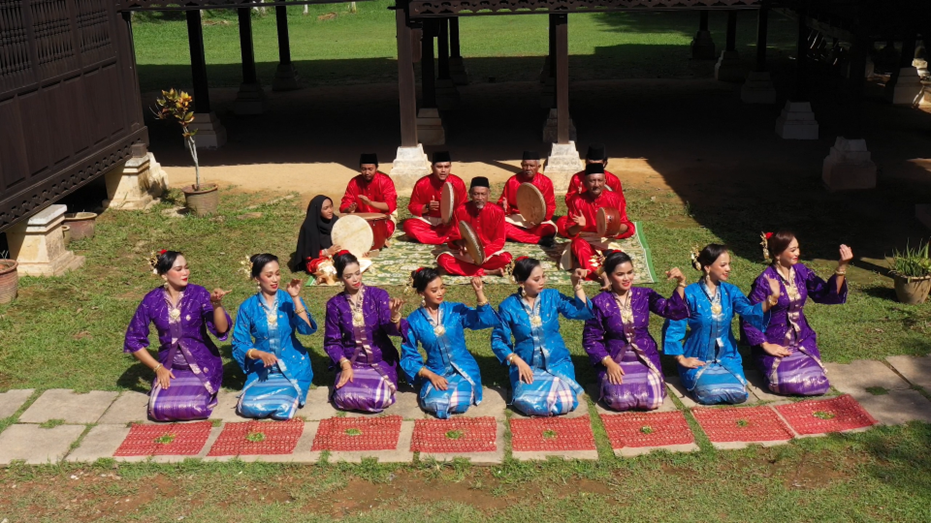



Picture
12
Video
Available
Today's Visitor
87
Number of Visitors
3839
Introduction and history
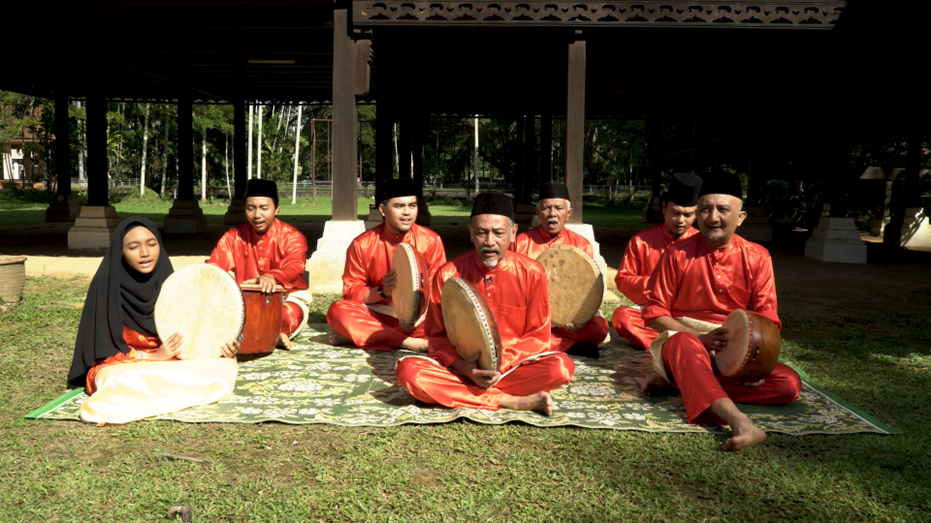
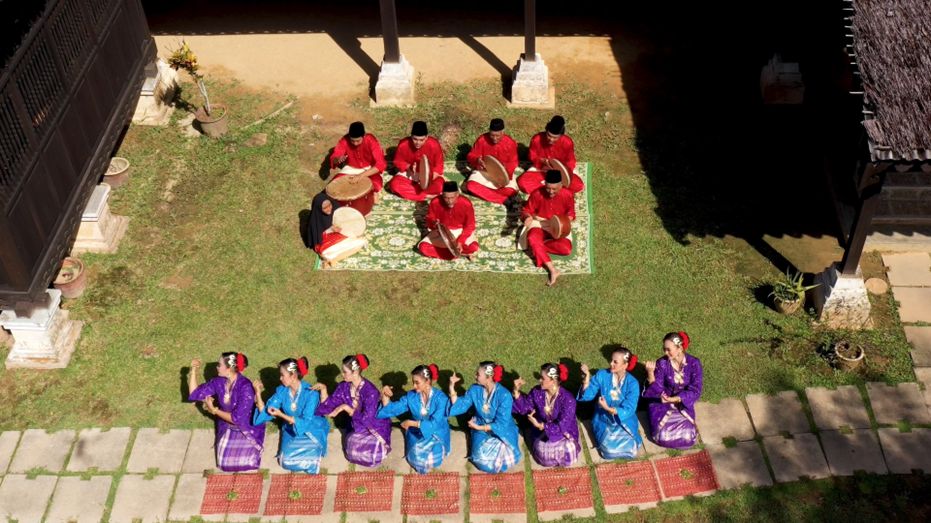
Hadrah is drumming music brought by Persian traders to Kubang Pasu, Kedah. It became popular in Kedah and Perlis in the 17th century, which then, widely performed from day to night. At present it is music of choice at weddings.
Hadrah is also played in other states, but the lyrics of the ones in Kedah are in Kawi Malay language which originated in Kampung Bayas, Jitra.
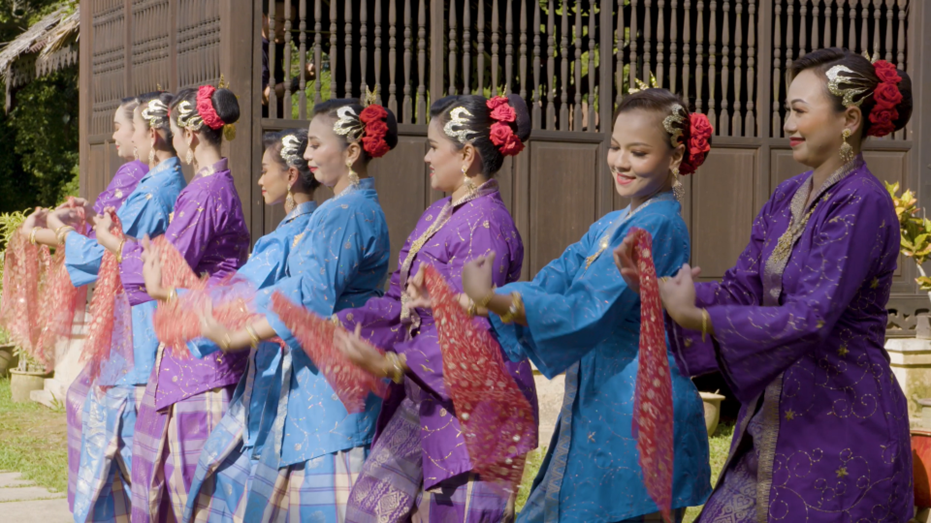
Way back then, hadrah male dancers dressed in women’s clothing to perform since women were not allowed to dance. However, at present, female dancers are performing as well.
It is said that this dance was created from an occurrence of a group of woodcutters who lost their way in the forest. While looking for a way out, they sang, prayed and beat their kompang (a type of drum). The Kedah hadrah is unique as it has an interlude performance called noge.
This music and dance function as entertainment at government official cultural and heritage celebrations and private events.
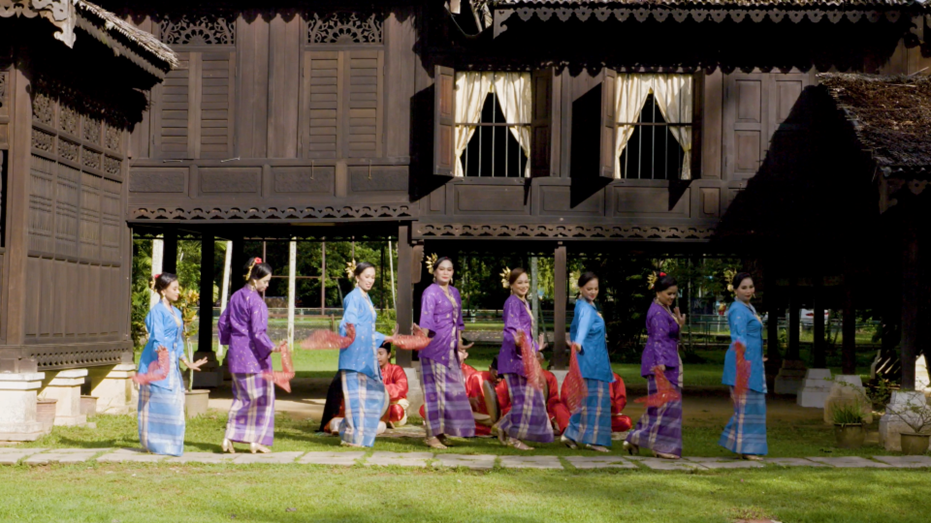
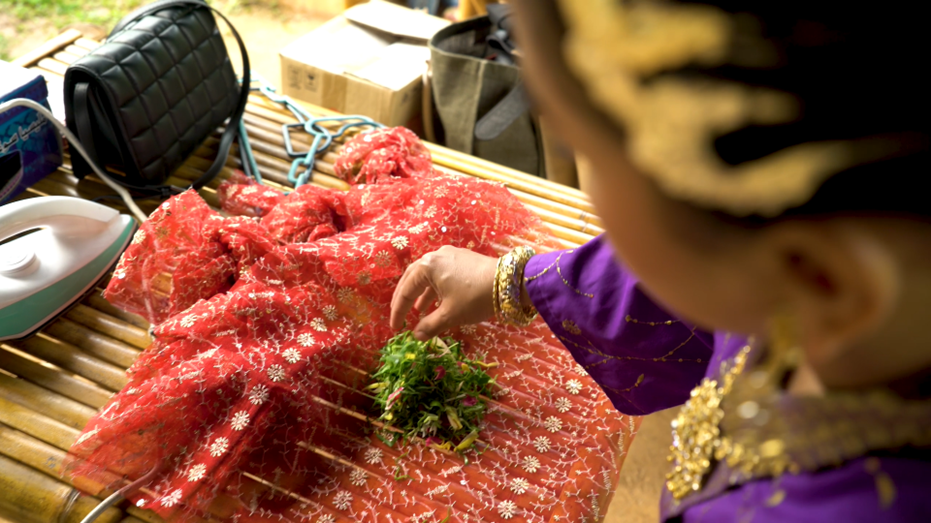
Its female dancers wear kebaya with brooches and hairpieces. For more graceful and elegant hand moves, each dancer holds a piece of handkerchief.
Kedah hadrah drumming music requires several tinkling tambourines, a small drum and a big drum. The big drum has a circumference of 35 inches, played by two drummers in seated positions.
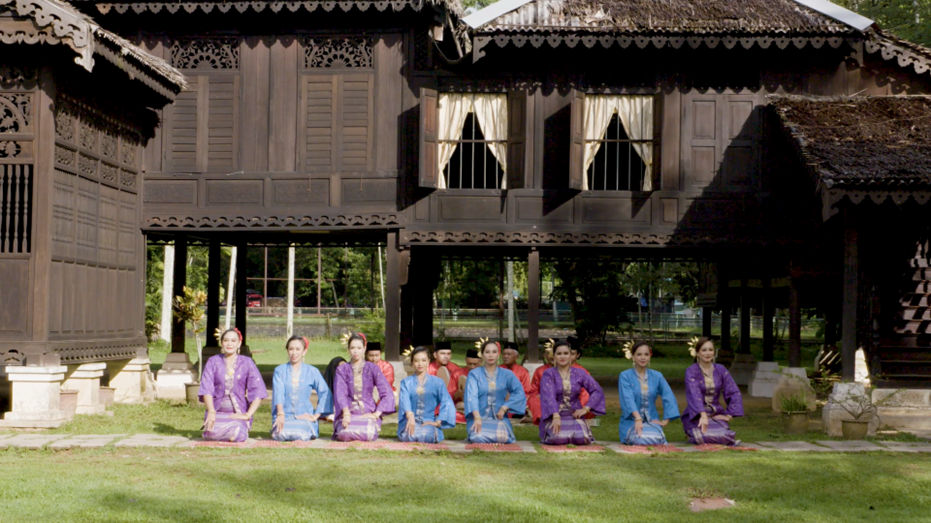
The performance starts only after a shaman executes the act of buka panggung (readying the stage). The singers will sing a song, the sanore, then only the dancers make an appearance, beginning their performance, dancing gracefully to the beats of drums and melody of songs. Tarian hadrah is similar to the Malay dance where the hand, finger and body moves are gentle and willowy.
The dance is extraordinary where some audience will enter the stage to join dancing. Those joining are called rasuk, dancing along regardless of songs. When the songs end, the 'peteri' will gesture a friendly thank you and respect to the audience by pressing both palms together against the chest.
Times change, apart from having musical instruments in the performance, interludes, the noge, are included too.
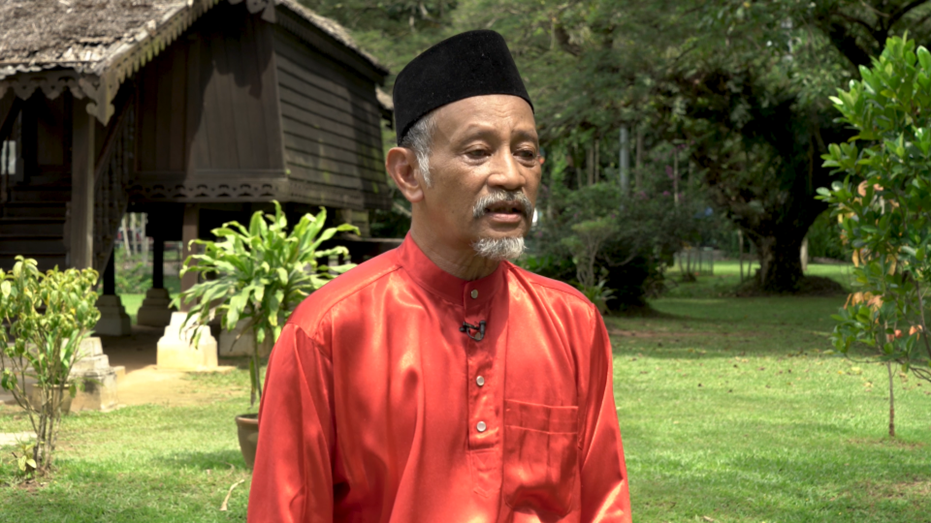
Razali Bin Ismail
Born - 18 August, 1963
Academic Qualfication - SRP / SPM Pangkat A
Active at Hadrah dancing.
Reference Source
i. Bahan
Bacaan : -
ii.
Tokoh:
a) Encik
Azmi bin Abdullah
Location
State JKKN Contact Information
Encik Mohammad Salleh bin Mahmud
Cultural Officer
Jabatan Kebudayaan dan Kesenian Negara, Kedah
Kompleks JKKN Kedah
Lot PTD 400, Pumpong
05250 Alor Setar
KEDAH DARUL AMAN
011-10899646


