

ARTS AND CULTURE INFORMATION GATEWAY
Immerse yourself in the colorful world of art and culture! From traditional heritage to contemporary works, discover uniqueness that reflects the nation's identity and identity
 Fakulti Muzik dan Seni Persembahan, Universiti Pendidikan Sultan Idris
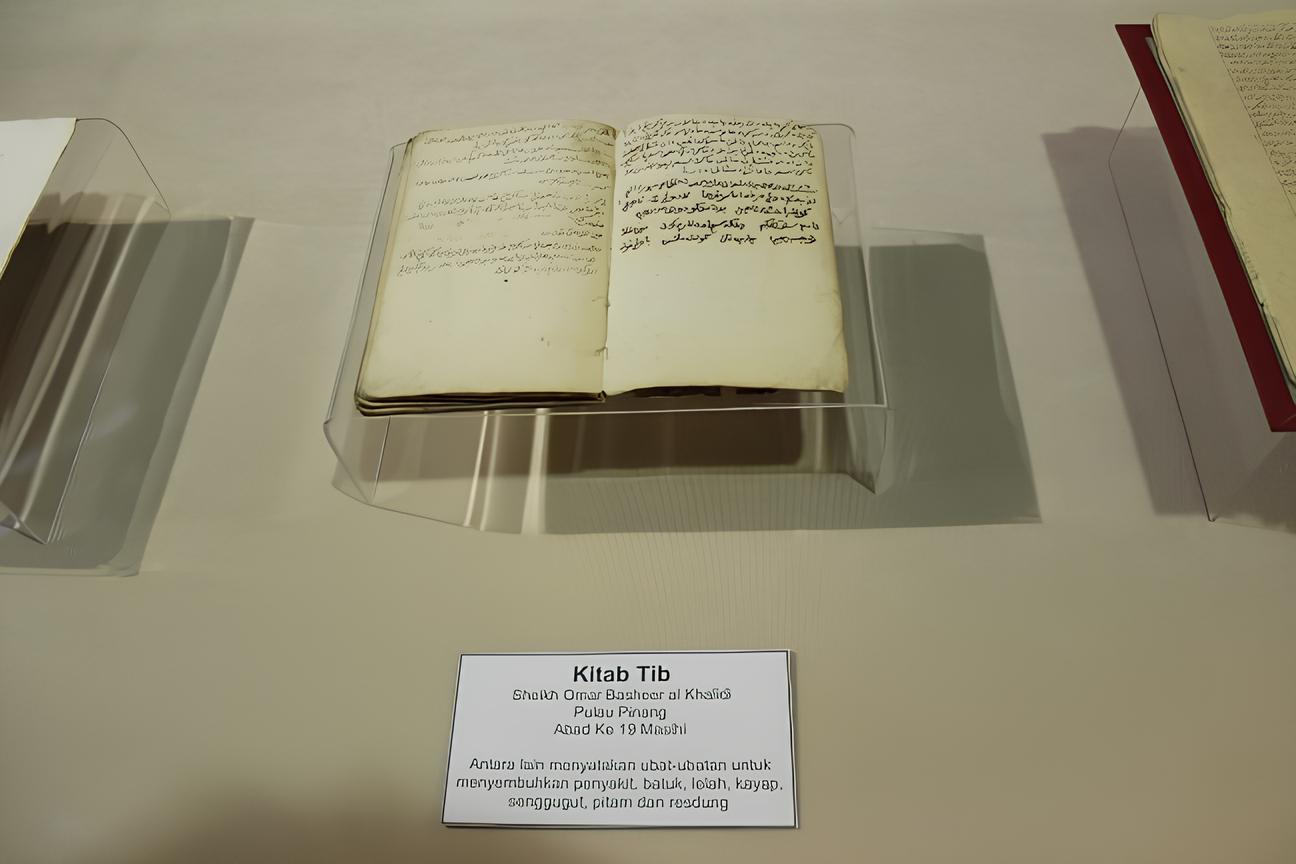
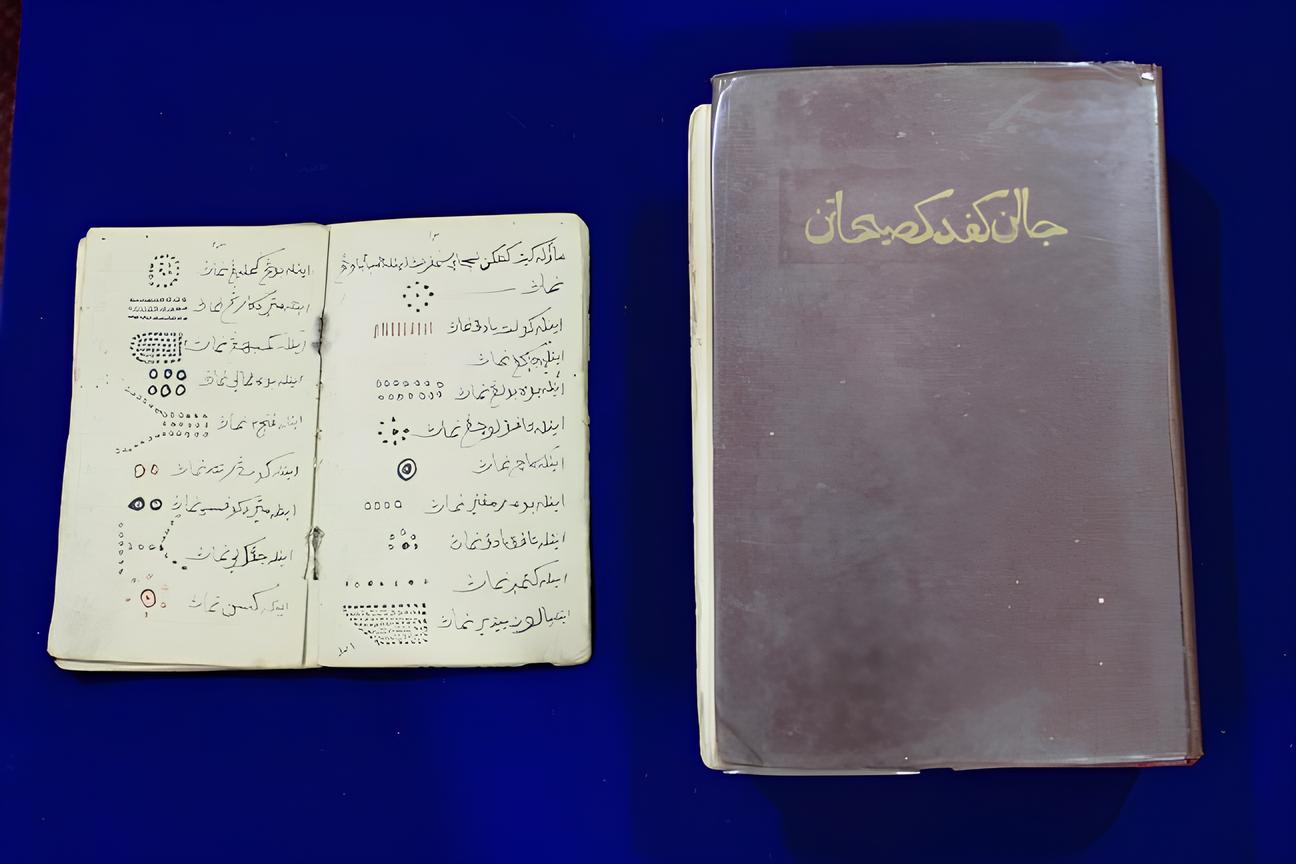

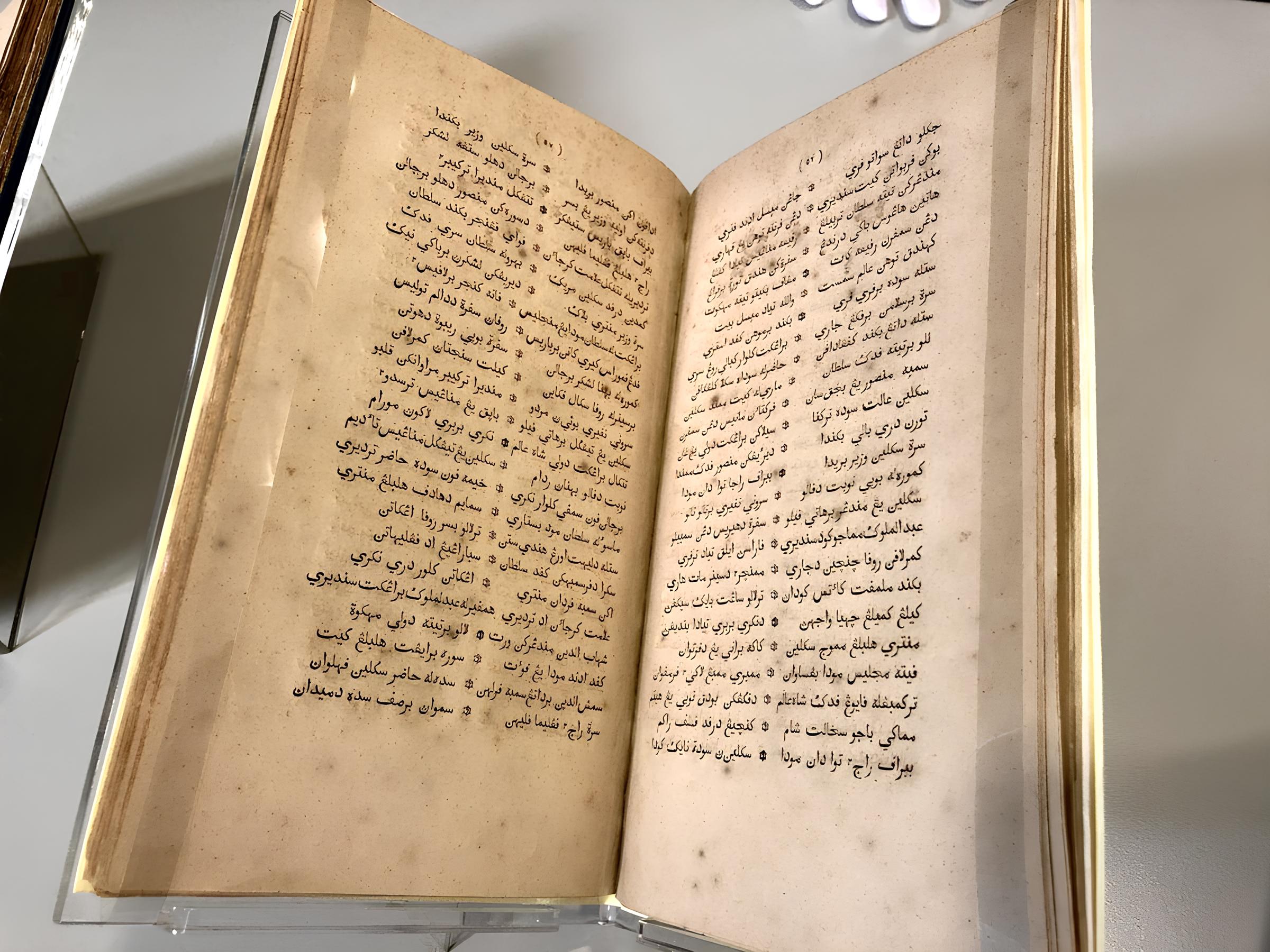
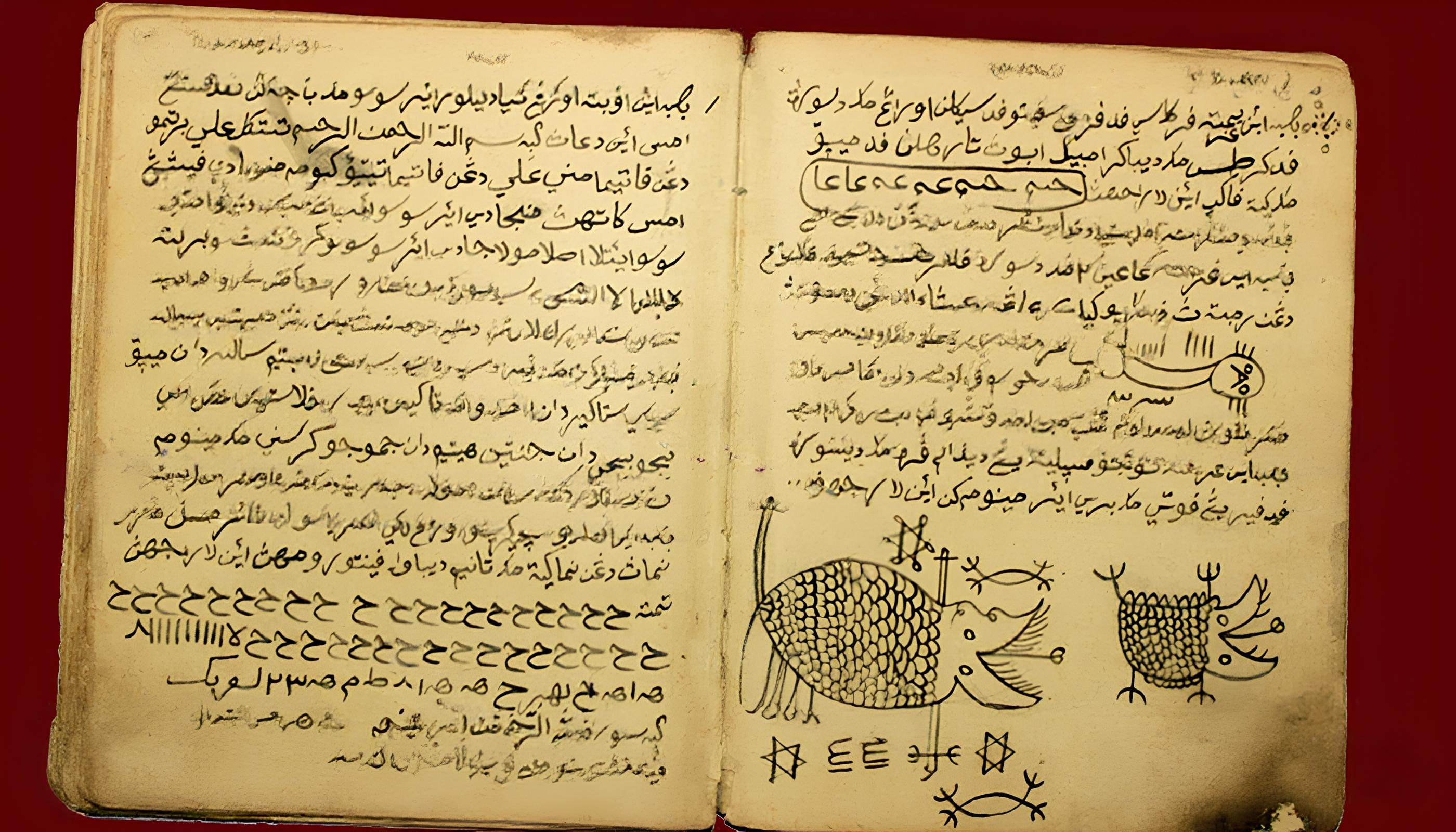
Picture
5
Video
No record
Today's Visitor
8
Number of Visitors
71
Introduction and history
- Kitab Tib is one of the traditional Malay medical manuscripts that emerged in the 19th century and is regarded as a significant heritage in the field of traditional medicine in the Malay world. The word “Tib” itself is borrowed from the Arabic al-tibb, meaning medicine, physician, or medical knowledge. Its naming is associated with the famous Arabic medical treatise Qānūn fī al-Tibb by Ibn Sina, a highly influential work in the history of Islamic medicine. However, in the Malay context, Kitab Tib does not have a single identifiable author. Most existing copies are transcriptions rewritten by earlier communities for knowledge transmission, thereby serving as a medical reference and health guide for society at large.
- The content of Kitab Tib reflects the diverse body of knowledge that encapsulates the lifestyle, experiences, and worldview of the Malay people in the past. Among its central discussions are treatments for diseases using natural ingredients such as roots, herbs, spices, and local plants. Common ailments, such as fever, cough, menstrual pain, asthma, rashes, shingles, and smallpox, are treated with plant-based remedies. Spiritual disorders or disturbances caused by supernatural beings, including spirits, demons, and jinn, are addressed through incantations, prayers, and amulets. The manuscript’s scope extends beyond medicine to include topics such as rejuvenation of vitality, love charms, beauty enhancers, and talismans said to provide confidence when facing rulers or nobles. This breadth makes Kitab Tib not merely a medical text but also a cultural repository that reveals how the Malays conceptualised the body, health, nature, and the unseen world.
- From a historical perspective, the knowledge preserved in Kitab Tib attracted the attention of foreigners, particularly during the colonial period. The Pharmaceutical Society of Great Britain published a translation titled "The Medical Book of Malayan Medicine" in 1886. This book contained Malay medical prescriptions, including remedies for asthma and bronchitis that were later adopted in the West around 1915. This illustrates that Malay medical knowledge was not confined to local practice but also possessed practical value acknowledged abroad. Today’s generation may be unaware that this body of knowledge had long been compiled in Kitab Tib, which has since been recognised as a National Heritage under the category of “Language and Literary Heritage.” According to records from the National Library of Malaysia, there are at least 40 known Kitab Tib manuscripts in Malaysia, while over 80 others are recorded worldwide.
- One notable variation is the Kitab Tib Betawi, a traditional medical manuscript of the Malay-Betawi community, consisting of 504 handwritten pages. This manuscript is distinctive for its lack of chapter divisions, punctuation, and systematic structure. It is written in Arabic scripts, such as Nasakh, Thuluth, and Ta‘liq, and employs the Betawi dialect of Malay, which Arabic heavily influences. The vocabulary demonstrates cross-cultural influence, for example, the word “ayam” (chicken) is spelt “hayam,” “resdung” (sinusitis) appears as “restung,” and the Arabic term ‘illat is used to denote illness. Verses from the Qur’an, hadiths, and prayers are frequently included as part of the treatments, though the manuscript contains numerous spelling errors and textual inconsistencies that require correction and authentication. This suggests that, although the manuscript is rooted in Islamic tradition, imperfections in transcription over time have led to technical distortions.
- In terms of intellectual thought, the writing in Kitab Tib strongly reflects the pervasive influence of Islam in the Malay world. However, not all references within the manuscript derive from authentic sources. For example, there is an account of “Sarhabat,” a jinn purportedly responsible for causing strokes, which cannot be found in any collection of authentic hadiths. Such narrations reveal the presence of maudhu’ (fabricated) elements in some parts of the manuscript. Moreover, the use of amulets and talismans as mediums of healing is recorded, even though these practices are prohibited in Islam. Certain versions of Kitab Tib also contain supplications associated with Shi‘a traditions, further highlighting the mixture of external influences. This demonstrates that while Kitab Tib is of great value as a knowledge heritage, its content blends medical practices, local beliefs, and religious interpretations in ways that are sometimes inconsistent with orthodox teachings.
- Overall, Kitab Tib stands as a symbol of the wisdom and ingenuity of the Malay people in managing health and disease. It documents diagnostic methods, physical treatments such as cupping, massage, and circumcision, the use of herbs, spiritual healing through prayers, as well as dietary and behavioral taboos believed to be essential for recovery. Diseases are classified into two main categories: natural causes (such as weather, water, heat, and wind) and supernatural causes (such as witchcraft, spirits, and jinn). Diagnosis involved examining physical signs, such as pulse, eyes, tongue, and phlegm, but also sometimes relied on spiritual methods, including spirit possession, which is similar to the ritual performance of Main Puteri. In terms of treatment, the manuscript provides detailed recipes for roots, plants, and spices, explaining the preparation methods in detail to ensure optimal efficacy. The emphasis on prohibitions or taboos further illustrates the belief that recovery depends not only on treatment but also on strict observance of cultural practices.
- With all these characteristics, Kitab Tib is more than a medical manuscript—it is a social and cultural document. It demonstrates how the Malays blended Islamic-Arab medical knowledge with local experience, traditional beliefs, and broader cosmological ideas. For this reason, it is now recognised as an invaluable literary heritage. At the same time, it requires further academic study, authentication, interpretation, and contextual analysis, so that its true significance can be fully understood.
Kitab Tib is not merely a medical manuscript but functions as a comprehensive guide that reflects the health knowledge system of traditional Malay society. Its functions and roles can be summarised as follows:
A Handbook and Reference for Traditional Medicine
Its primary role is as a medical reference for treating various illnesses understood at the time. Among the ailments discussed are common diseases such as fever, cough, skin rashes, menstrual pain, postnatal disorders, and asthma, as well as infectious diseases like shingles and smallpox. In addition, Kitab Tib addresses illnesses believed to originate from the supernatural realm, including spirit possession, disturbances by jinn, and demonic afflictions. This wide scope illustrates that the manuscript sought to encompass all forms of sickness as perceived by society, whether caused by natural factors or supernatural forces, thus serving as an encyclopedia of traditional health that integrates both physical and spiritual dimensions.
A Record of Herbal Knowledge and Medical Systems
Beyond its role as a medical handbook, Kitab Tib also serves as a repository of knowledge on herbs and medicinal plants used in traditional Malay healing practices. Its content provides detailed descriptions of various ingredients, methods of preparation, and usage instructions. Knowledge of medicinal flora, such as roots, spices, leaves, and other natural substances, was systematically documented as the foundation for treatment. Detailed explanations regarding dosage, preparation, and prohibitions demonstrate that the Malays possessed a structured body of knowledge for managing natural resources in health care. In this sense, Kitab Tib functions as a vital botanical archive of traditional medicine.
A Medium for Cultural and Heritage Education
Another clear function of Kitab Tib is as a tool of cultural and heritage education. Through its writings, earlier generations were able to transmit medical knowledge and healing practices to subsequent generations. It is not merely a book of remedies, but also a text that preserves the ways in which the Malays interpreted illness, managed their bodies, and interacted with their environment. With its inclusion of taboos, talismans, prayers, and incantations, the manuscript also educated society on cultural values, spiritual beliefs, and cosmological systems that shaped everyday life. Thus, Kitab Tib illustrates that traditional medicine was inextricably linked to the cultural identity of the Malay people.
A Reference Linking Traditional Medicine and Local Beliefs
Kitab Tib also functions as a meeting point between Islamic tradition and local Malay practices. The use of Qur’anic verses, hadiths, prayers, and concepts derived from Arabic medicine reflects the significant influence of Islam on Malay medical thought. Nevertheless, the manuscript also records controversial elements, such as talismans and amulets, which are not in alignment with Islamic teachings. In this sense, the manuscript represents a transitional body of knowledge—an integration of religious teachings with indigenous beliefs that had not yet been systematically filtered. Kitab Tib, therefore, embodies the intellectual plurality of a society situated at the crossroads of culture, religion, and tradition.
Social and Symbolic Functions
From another perspective, Kitab Tib also carries social and symbolic roles. It acted as a psychological source of strength for communities, especially in times of illness or hardship. With its inclusion of prayers, charms, and incantations, the manuscript reassured its users that they were not alone but supported by both knowledge and supernatural forces. This shows that the manuscript’s function extended beyond physical health care, serving also as a means of reinforcing confidence, spiritual peace, and a sense of divine connection with God and the natural world.
A Heritage Document of Malay Literary Tradition
Finally, Kitab Tib today holds a significant role as a literary heritage document. As one of the classical Malay texts, it connects us with the intellectual traditions and wisdom of the past, making it deserving of study, authentication, and preservation. Its role now extends beyond being a medical manual to serving as an academic resource for understanding the worldview of traditional Malay society in matters of health, culture, and religion. Its recognition as a National Heritage under the category of “Language and Literary Heritage” underscores the importance of Kitab Tib as a cornerstone in preserving intangible cultural knowledge.
-
The strength of Kitab Tib lies in its detailed discussion of the ingredients and remedies employed in traditional Malay medicine. The manuscript meticulously records a wide range of medicines derived from natural sources, particularly plants, spices, and roots. This reliance on natural substances reflects the philosophy of Malay medicine, which is deeply connected to the natural environment and grounded in the belief that every plant and creation of God contains specific benefits for human well-being. Accordingly, the remedies in Kitab Tib can be categorised into four broad groups: medicinal herbs and roots, spices and everyday plants, minerals and animal-based substances, and spiritual elements such as prayers and amulets.
Herbs and Roots
Herbs and roots form the most dominant category in the manuscript. Various leaves, stems, roots, and flowers were employed to produce remedies for different ailments. For example, turmeric leaves and ginger are often mentioned in recipes for treating digestive problems and menstrual pain. At the same time, roots were commonly used in mixtures for chronic illnesses such as recurrent fever, cough, or skin diseases. Plants such as noni, betel, pandan, and lemongrass served as foundational remedies—not only because they were easily accessible, but also because they were believed to possess antiseptic, anti-inflammatory, and revitalising properties. These records demonstrate that the Malays of earlier times had extensive ethnobotanical knowledge and the ability to adapt natural resources for therapeutic purposes.
Spices and Medicinal Plants
Spices and culinary plants also played a significant role. The manuscript includes remedies using black pepper, cloves, cinnamon, cumin, and various other seeds. These spices, while commonly used in cooking, were also regarded as effective medicines, particularly for warming the body, improving blood circulation, and alleviating internal “wind” or bloating. Some recipes even combined spices with tamarind to cleanse the blood and reduce swelling. This illustrates the continuity between food culture and healing traditions in Malay life, where the kitchen doubled as a pharmacy.
Minerals and Animal-Based Substances
Kitab Tib also records the use of minerals and animal-derived substances, although these appear less frequently than plant-based remedies. Natural elements, such as lime, salt, gold, and gemstones, were believed to possess therapeutic properties. In addition, animal products such as honey, milk, and certain animal parts were utilised as cures. Honey, for instance, is described as both a sweetening agent and a medicine to boost energy and aid respiratory health, while milk was used to strengthen the body. These remedies were often combined with plant ingredients to produce more comprehensive treatments, reflecting an integrative approach to healing.
Spiritual and Esoteric Elements
One of the distinctive features of Kitab Tib is its inclusion of spiritual elements. Many versions of the manuscript contain amulets, prayers, incantations, and Qur’anic verses as essential complements to physical remedies. Amulets were believed to provide protection, incantations to expel malevolent spirits, and Qur’anic recitations to seek divine healing. There are also references to practices such as “pemanis” or “pengasih,” charms recited to soften hearts or enhance personal attractiveness. This spiritual dimension highlights the Malay belief that health is inextricably linked to balance in the spiritual, emotional, and unseen realms.
Methods of Remedy Preparation
Kitab Tib provides detailed explanations on how remedies should be prepared and applied. Ingredients are not only listed but also described in detail, including methods of preparation, storage, and usage. For instance, some remedies required roasting to activate their properties, while others were soaked in warm water. At the same time, certain recipes demanded mixing with honey or oil before being ingested or applied externally. Such attention to detail highlights how seriously the Malays approached the efficacy of treatment, revealing a proto-scientific attitude embedded within traditional medical practices.
Taken as a whole, the ingredients and remedies in Kitab Tib demonstrate not only practical knowledge of the natural environment but also the worldview of a society that emphasised harmony between body and spirit. For the Malays, health was not defined merely as the absence of illness but as a state of equilibrium uniting the body, nature, and the unseen. Thus, Kitab Tib functions as a crucial source for understanding Malay ethnomedicine, standing as a literary heritage that documents the community’s wisdom in safeguarding health and well-being.
The healing process described in Kitab Tib reveals a remarkably comprehensive system of traditional Malay medicine, as it encompasses the dimensions of diagnosis, physical treatment, spiritual healing, and the observance of taboos that patients were required to follow. This demonstrates that the Malays of earlier times possessed a profound understanding that health was not only a matter of the body but also involved the soul, the environment, and spiritual strength.
-
Reference Source
Bahan Bacaan
Dewan Budaya. (2021, August 17). Khazanah ilmu perubatan Melayu dalam Kitab Tib. Dewan Budaya DBP. https://dewanbudaya.jendeladbp.my/2021/08/17/385/
Dewan Sastera. (2022, April 11). Kitab Tib: Manuskrip perubatan Melayu klasik. Dewan Sastera DBP. https://dewansastera.jendeladbp.my/2022/04/11/3384/
Gabungan Persatuan Perubatan Melayu Malaysia (GPMM). (2022, February 20). Kitab Tib: Di dalamnya tercatat rahsia ilmu perubatan Melayu zaman dahulu. GPMM Buletin. https://www.gpmmcare.org/buletin/2022/02/20/kitab-tib-di-dalamnya-tercatat-rahsia-ilmu-perubatan-melayu-zaman-dahulu/
Ibrahim, N., & Shah, F. A. (2023). The prevalence of Quranic verses recitation in Malay medical treatment: A study on Kitab Tib MSS1653 manuscript. Al-Bayan: Journal of Qur’an and Hadith Studies, 21(3), 335–361. https://doi.org/10.1163/22321969-12340112
Ibrahim, N., & Shah, F. A. (2024). Content analysis study of prophetic prayer medicament in Kitab Tib MSS1653 Malay medical manuscript. Al-Bayan: Journal of Qur’an and Hadith Studies, 22(2), 264–290. https://doi.org/10.1163/22321969-bja10062
Jantung Melayu. (2018, April 1). Kitab Tib: Manuskrip obat dan ilmu tradisional Melayu. Jantung Melayu. https://jantungmelayu.co/2018/04/kitab-tib-manuskrip-obat-dan-ilmu-tradisional-melayu/
Musa, N. Y., & Muhammad, A. (2018). Kitab Tib Betawi: Sorotan awal terhadap penulisan dan pemikiran ilmu perubatan Melayu tradisional. In Proceedings of Seminar Organised by the Centre for Language Studies and Generic Development (pp. 1–15). Universiti Malaysia Kelantan.
Salleh, F. M., Saari, Z., Rahman, N. N. H. A., & Mustafa, N. (2020). Amalan diagnosis dalam perubatan Melayu berdasarkan Kitab Tib [Diagnosis practice in Malay medicine based on the Kitab Tib]. UMRAN – Journal of Islamic and Civilizational Studies, 6(3–2), 97–108.
Location
State JKKN Contact Information
Cultural Officer
Jabatan Kebudayaan dan Kesenian Negara
Use the form below to contact the Informant/Figure/Editor/Researcher directly. We will respond to your inquiry as soon as possible!