

ARTS AND CULTURE INFORMATION GATEWAY
Immerse yourself in the colorful world of art and culture! From traditional heritage to contemporary works, discover uniqueness that reflects the nation's identity and identity
PARAM – PETUA TRADISI AMALAN BERPANTANG SELEPAS BERSALIN
 Fakulti Muzik dan Seni Persembahan, Universiti Pendidikan Sultan Idris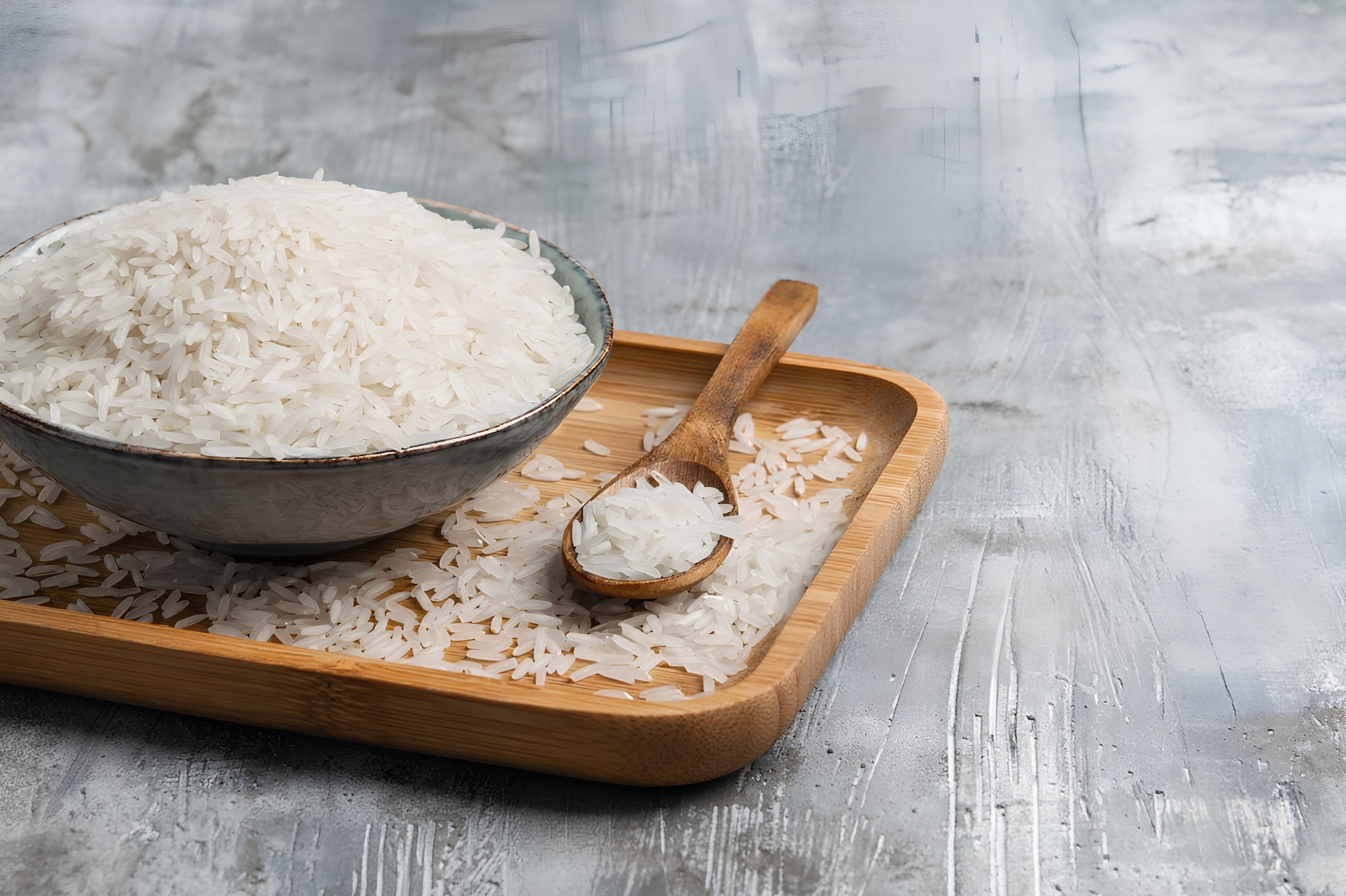


Picture
13
Video
No record
Today's Visitor
3
Number of Visitors
372
Introduction and history
Param is a traditional herbal preparation in the form of a body application used by women during the postpartum confinement period in Malay culture. Typically, param is applied over the entire body, except for the breasts and abdomen, and is used consistently twice daily after bathing throughout the approximately 40-day confinement period. The practice of using param not only functions as a restorative treatment for the body but also reflects the continuity of traditional knowledge passed down through generations, particularly in relation to women’s health care after childbirth.
The formulation of Param consists of a mixture of natural ingredients with both medicinal and cosmetic properties, such as rice, kencur (Kaempferia galanga), turmeric (Curcuma longa), ginger (Zingiber officinale), garlic (Allium sativum), sandalwood (Santalum album), and kaffir lime peel (Citrus hystrix). This combination of herbs is believed to warm the body, improve blood circulation, prevent “wind” disorders, and maintain skin freshness. In practice, param is usually mixed with warm water to form a fine paste, which is then applied evenly over the body. The paste is left to dry briefly, allowing the active properties to be absorbed into the skin, making the product function similarly to an herbal body scrub that envelops the body with a natural fragrance.
Historically, param is associated with traditional healing practices that emphasize the use of tropical herbs for postpartum recovery. Influences from Ayurvedic medicine in India and Javanese herbal traditions also shaped the foundation of param, particularly the concept of balancing “hot” and “cold” elements within the body, which underpins the philosophy of traditional health care. The combination of rice and spices was regarded as a symbol of bodily balance and was used not only for healing but also for beauty purposes. Over time, the practice spread widely among confinement traditions in Malaysia, Sumatra, and the Javanese islands, becoming an integral part of traditional therapies that harmonize physical health, outward beauty, and spiritual balance.
Interestingly, 'param' in the Malaysian context shares similarities with the practice of 'bobok parem' in Indonesia. In Javanese tradition, parem refers to an herbal preparation used as a body scrub or topical treatment to counteract “wind” ailments, reduce swelling, and improve blood circulation. The term parem has also been linked to an old French word referring to a healing technique involving herbal applications and gentle massage. Within Javanese postpartum culture, bobok parem is considered an effective therapy for restoring mothers after childbirth, as it helps to relax muscles, strengthen blood vessels, and provide natural warmth to the body.
Beyond param and bobok parem, several other Southeast Asian countries also have comparable practices that highlight a shared cultural foundation in women’s postpartum care. In Thailand, there is Sa Kra Sa Mun Prai, a dried herbal body scrub used to restore vitality and stimulate blood circulation. In Myanmar, women apply Thanaka, a traditional herbal preparation made from powdered wood, which is also used during the postpartum period, though its primary focus is on skin beautification. Meanwhile, in Cambodia, Chum Neang Mor involves the use of dried herbal pastes and traditional steam baths believed to warm the body and expel toxins. These similarities illustrate a regional network of traditional knowledge that emphasizes safe, natural, and locally rooted approaches to women’s postpartum recovery.
In Malaysia itself, param exists in a variety of forms depending on regional traditions and local practices. In the northern states, param formulations place greater emphasis on turmeric and ginger to provide warmth and reduce joint swelling. On the East Coast, preparations are often enriched with pandan leaves, galangal, and lemongrass to produce a fresh and calming aroma. In the southern states, the inclusion of spices such as cinnamon, cloves, and betel lime is more prominent, influenced by Minangkabau and Peranakan heritage. Meanwhile, in Malaysian Borneo, the use of different rice varieties and freshly sourced herbs is considered essential. This diversity of formulations demonstrates that param is not a homogeneous traditional remedy but rather a dynamic heritage adapted to geography, available natural resources, and the cultural identity of each community in Malaysia.
Param offers a wide range of benefits, making it one of the most important traditional practices in postpartum care for women. The following outlines the key functions and roles of param:
Physical Recovery and Internal Health
Param plays a vital role in the recovery of a woman’s body after childbirth. Herbal ingredients such as ginger (Zingiber officinale), turmeric (Curcuma longa), kencur (Kaempferia galanga), and garlic (Allium sativum) are believed to enhance blood circulation, accelerate uterine contraction, and reduce muscle fatigue and numbness. With its warming properties, param also helps prevent “wind” disorders, a common postpartum ailment in Malay culture. This practice enables women’s bodies to regain energy, vitality, and strength gradually throughout the confinement period.
Freshness and External Beauty
Beyond internal health, param also functions as an external treatment emphasizing postpartum beauty and skin care. The combination of rice and aromatic spices used in its preparation acts as a natural body scrub that effectively removes dead skin cells, smooths skin texture, and restores natural radiance. Ingredients such as sandalwood (Santalum album) and kaffir lime peel (Citrus hystrix) add a refreshing fragrance that revitalizes the body and provides a sense of comfort. In this way, param can be considered a traditional beauty therapy that complements bodily care during the postpartum period.
Psychological and Emotional Well-Being
The use of param is not limited to physical health but also contributes to the psychological and emotional well-being of postpartum women. Applying param across the body produces therapeutic effects that bring relief, comfort, and relaxation. Such effects are crucial in reducing emotional stress, alleviating fatigue, and stabilizing mood after childbirth. With a refreshed body and rejuvenated skin, mothers also gain renewed confidence as they navigate the transition into postnatal life.
Continuity of Culture and Traditional Heritage
From a cultural perspective, the param symbolizes the continuity of traditional knowledge passed down through generations. It is not only regarded as a form of physical therapy but also as a ritual of self-care rooted in herbal wisdom, methods of preparation, and techniques of application inherited from the past. This demonstrates that param serves not only as a natural health remedy but also as an integral part of Malaysian cultural identity that continues to be practiced to this day.
Param is prepared from a mixture of various natural ingredients, most of which consist of tropical herbs. This formulation is designed to meet the needs of women’s bodies after childbirth, in terms of health, beauty, and overall well-being. The following are the main ingredients used in making param:
Fresh Ingredients:
Rice (Oryza sativa)
Functions as a natural exfoliant, removing dead skin cells, smoothing the skin, and brightening the complexion.
Turmeric (Curcuma longa)
Possesses antiseptic properties, helps contract the uterus, accelerates wound healing, and beautifies the skin.
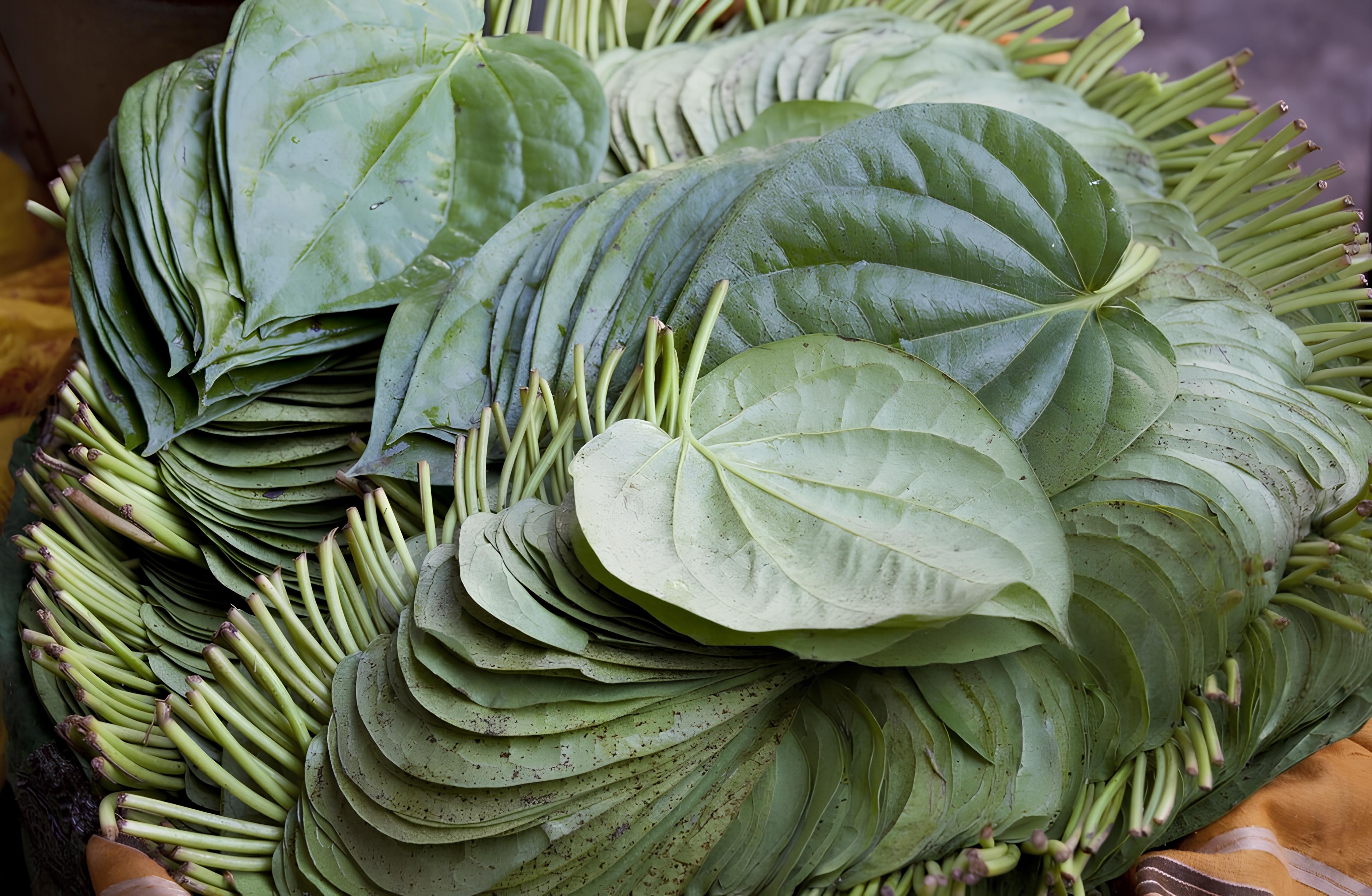
Betel Leaf (Piper betle)
Acts as a natural antiseptic, maintains skin hygiene, and prevents body odor.
Kaffir Lime Peel (Citrus hystrix)
Smooths the skin, reduces body odor, and provides freshness with a citrus aroma.
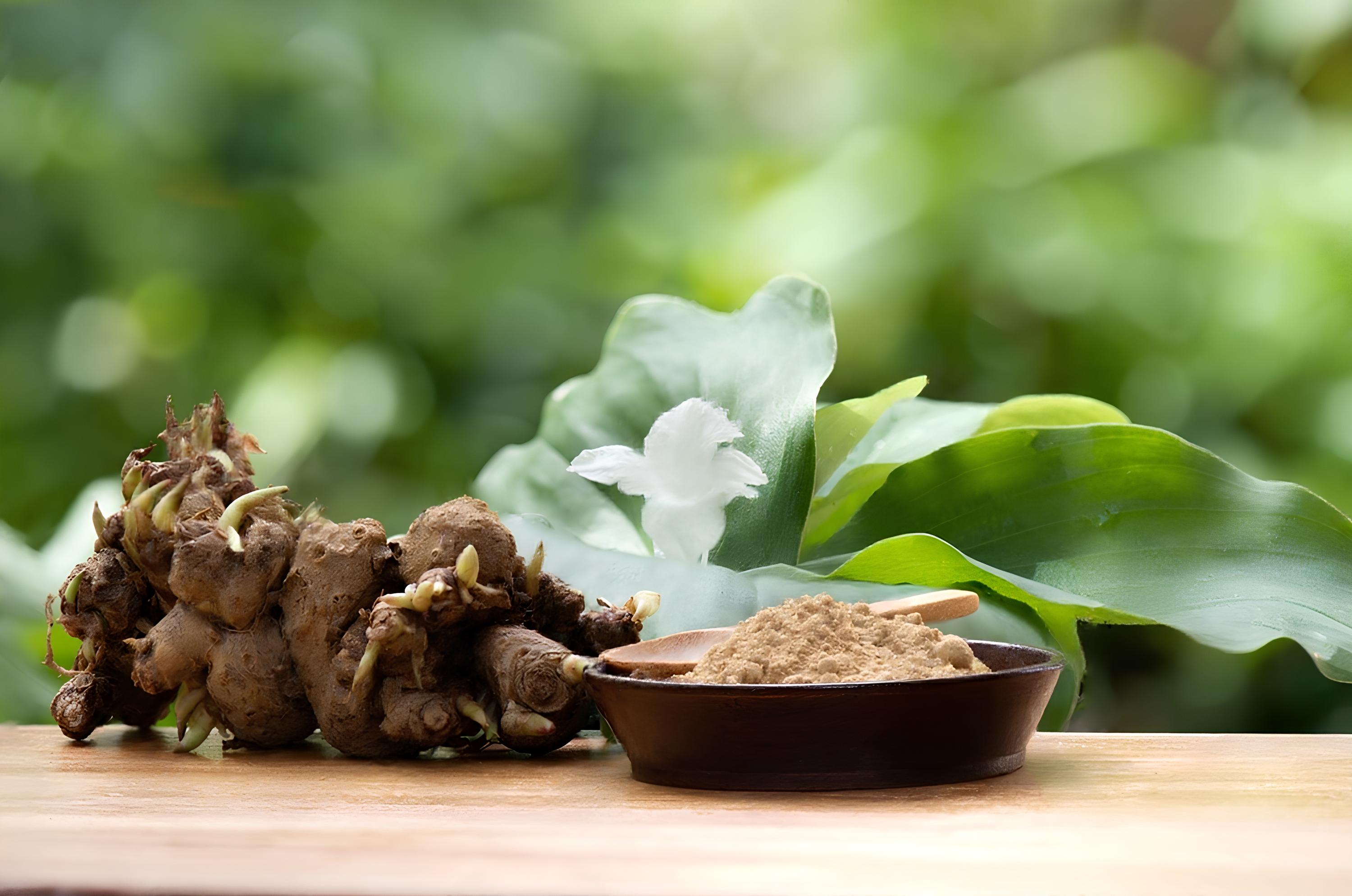
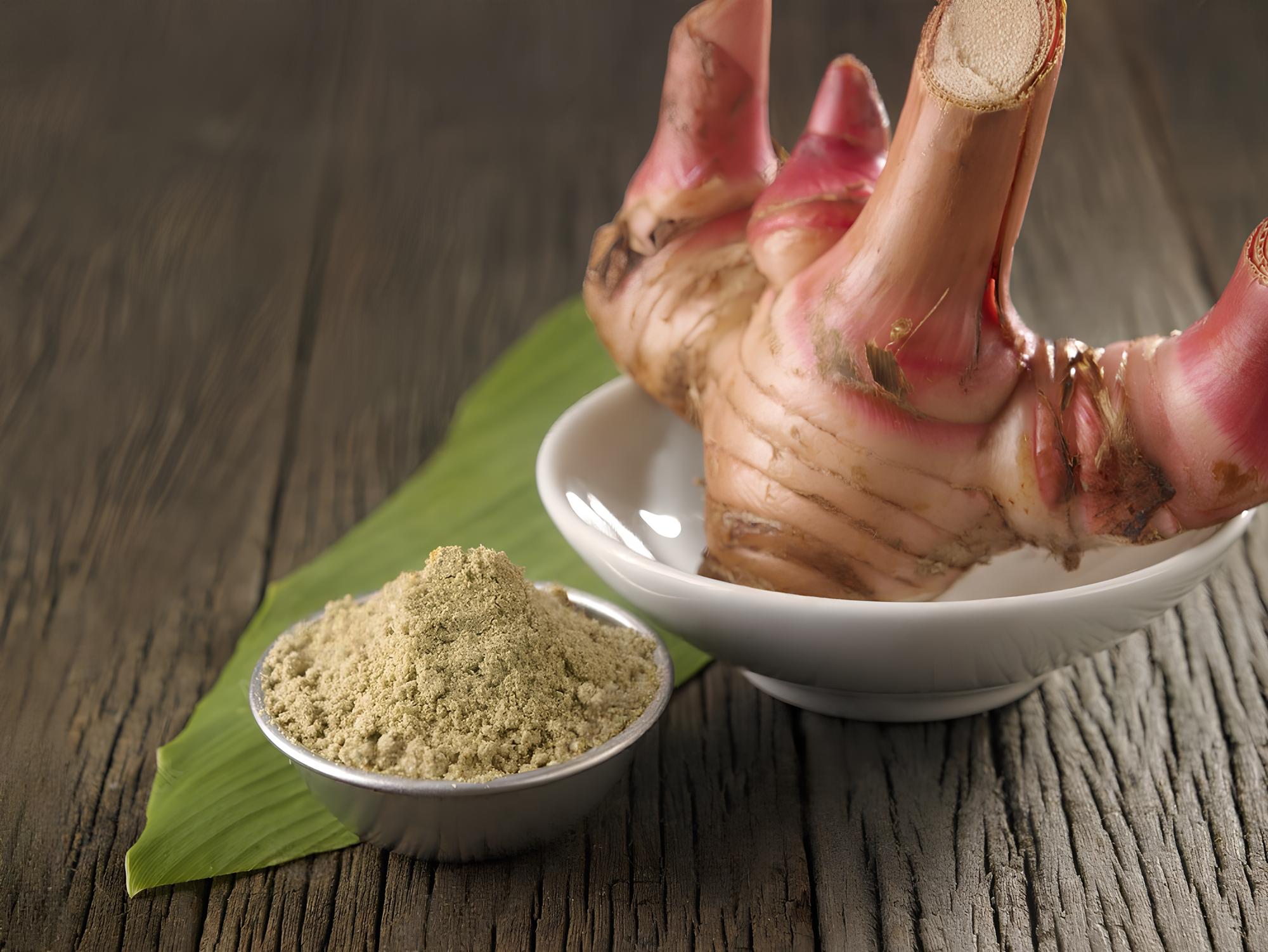
Kencur / Aromatic Ginger (Kaempferia galanga)
Warms the body, improves blood circulation, and relieves muscle and joint pain.
Distilled Water
Used to mix powdered herbs into a paste suitable for body application.
Additional Herbs (Powdered Ingredients)
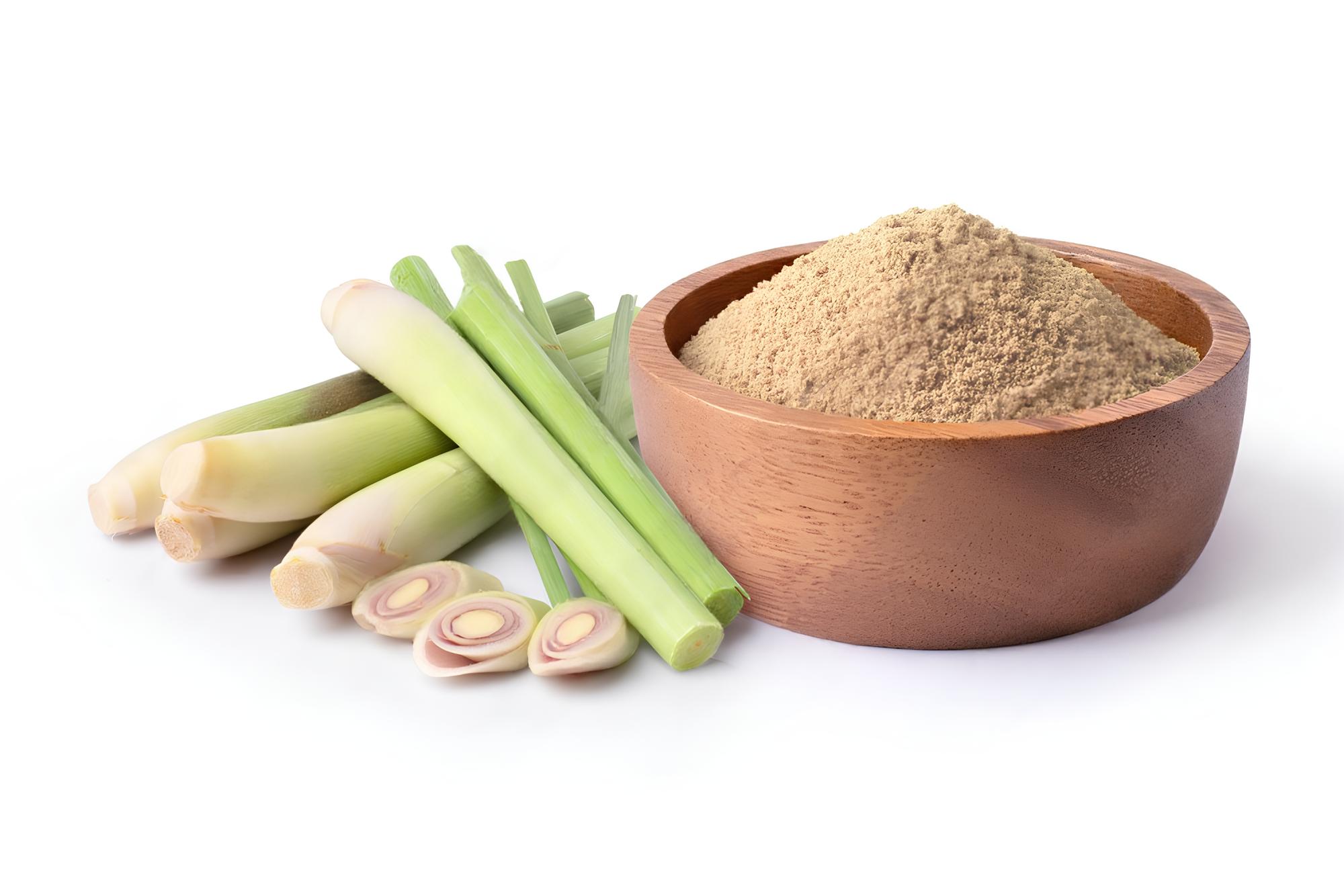
Lemongrass Powder (Cymbopogon citratus)
Refreshes the body and helps improve blood circulation.
Galangal Powder (Alpinia galanga)
Relieves muscle and joint pain while providing body warmth.
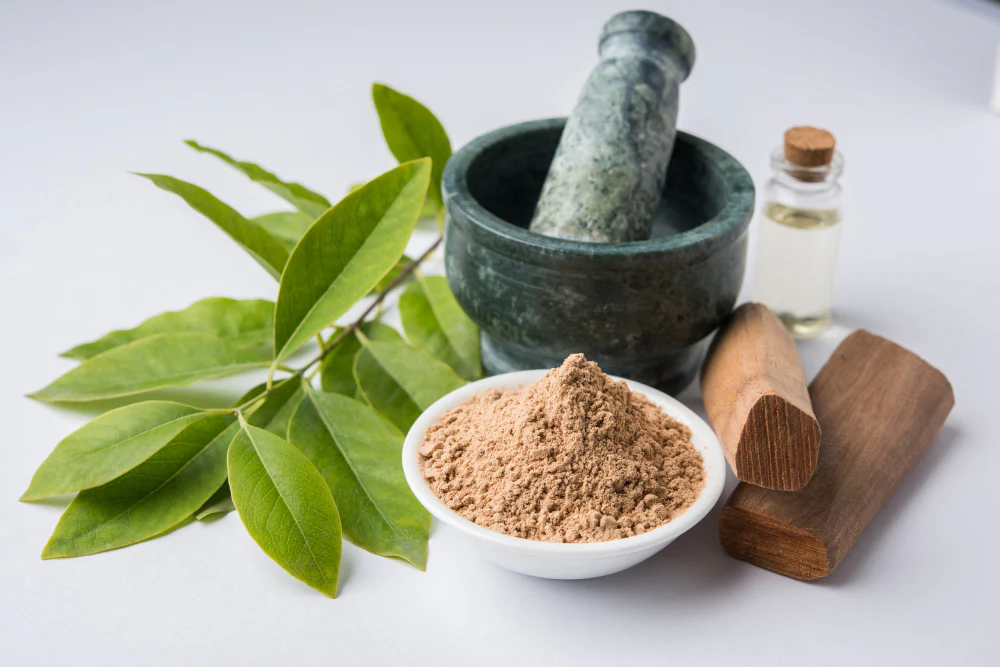
Sandalwood Powder (Santalum album)
Provides a pleasant fragrance, calms the emotions, refreshes the body, and cools the skin.
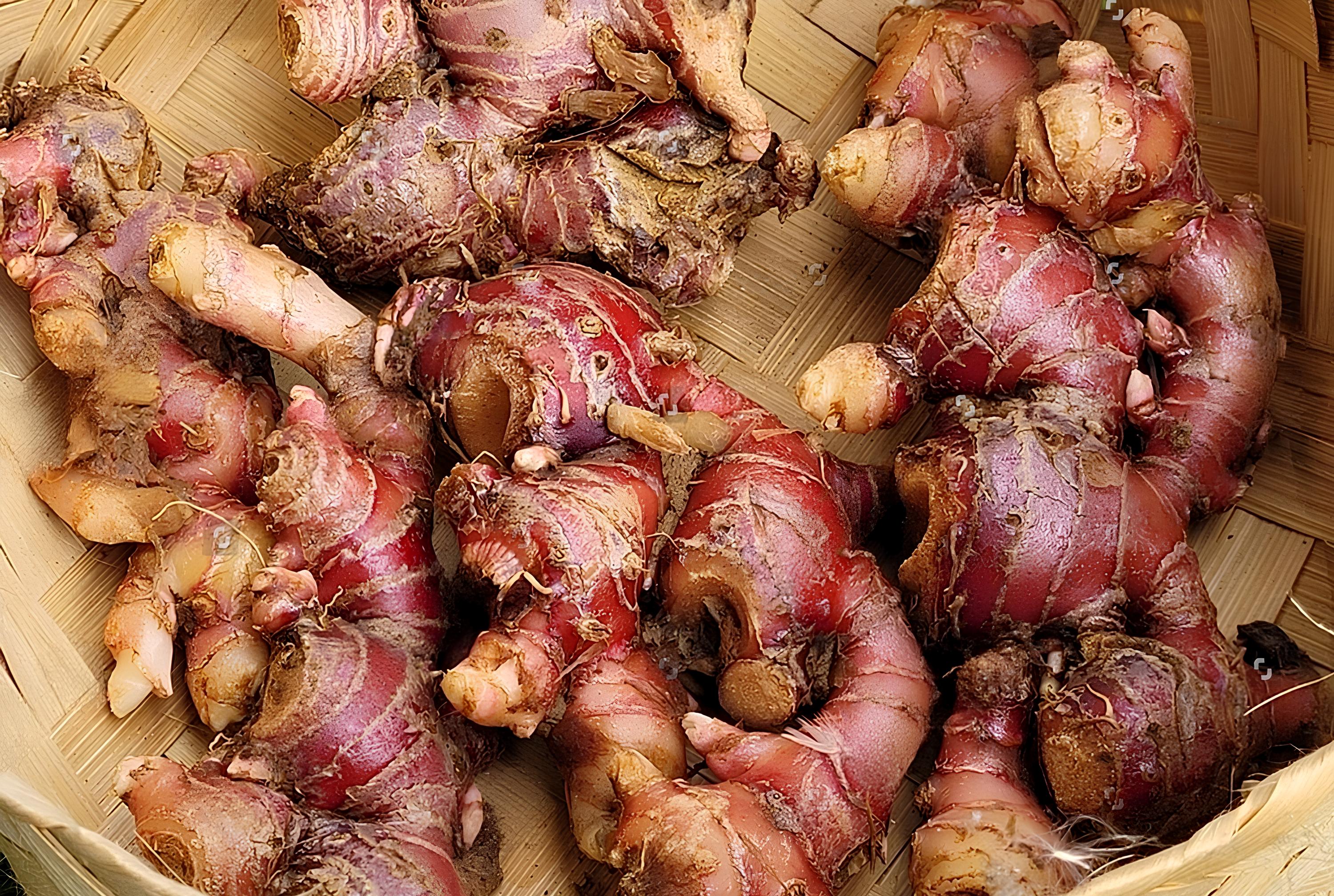
Red Ginger Powder (Zingiber officinale var. rubrum)
Provides additional warmth and promotes blood circulation.
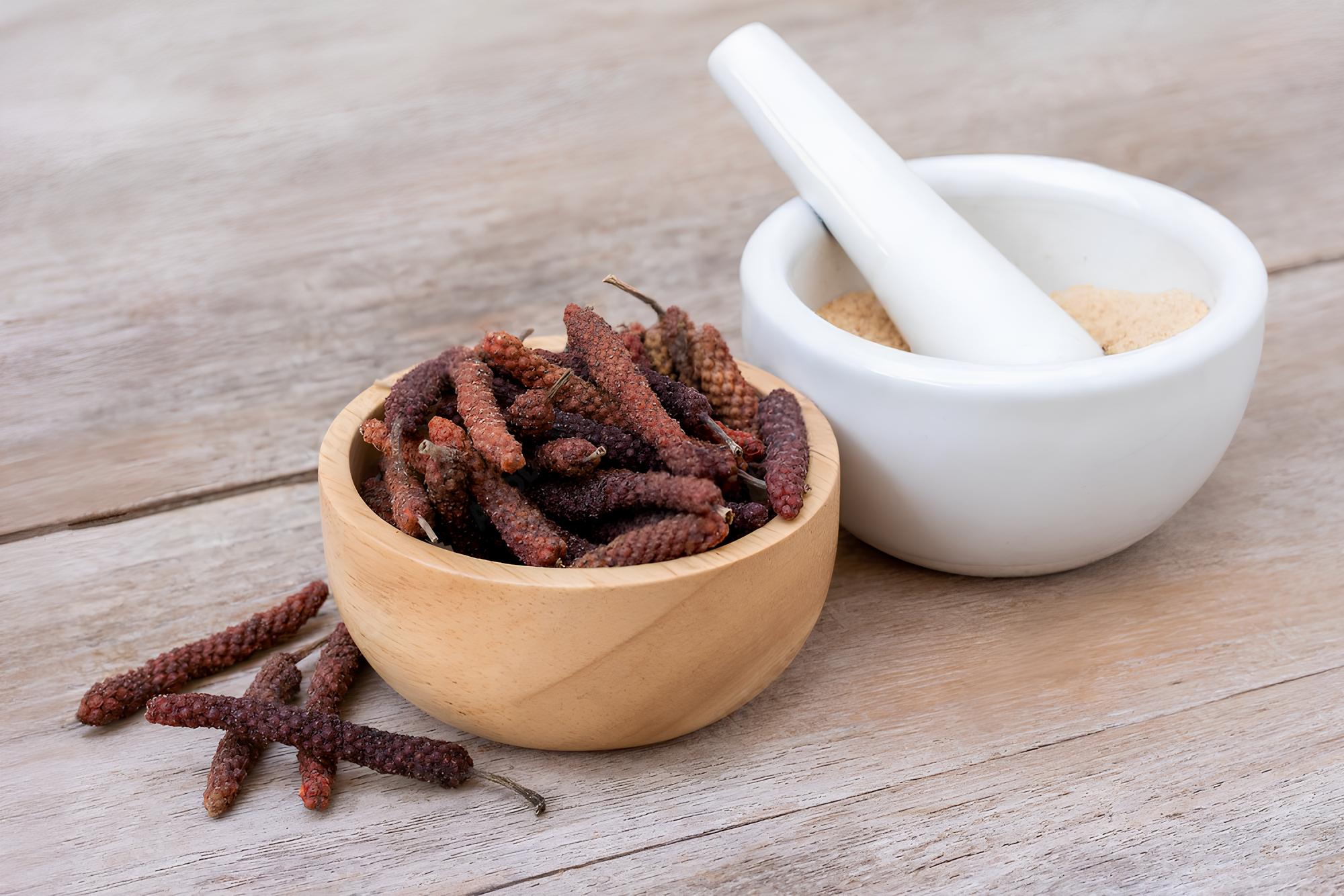
Java Long Pepper Powder (Piper retrofractum)
Warms the body and strengthens internal energy.
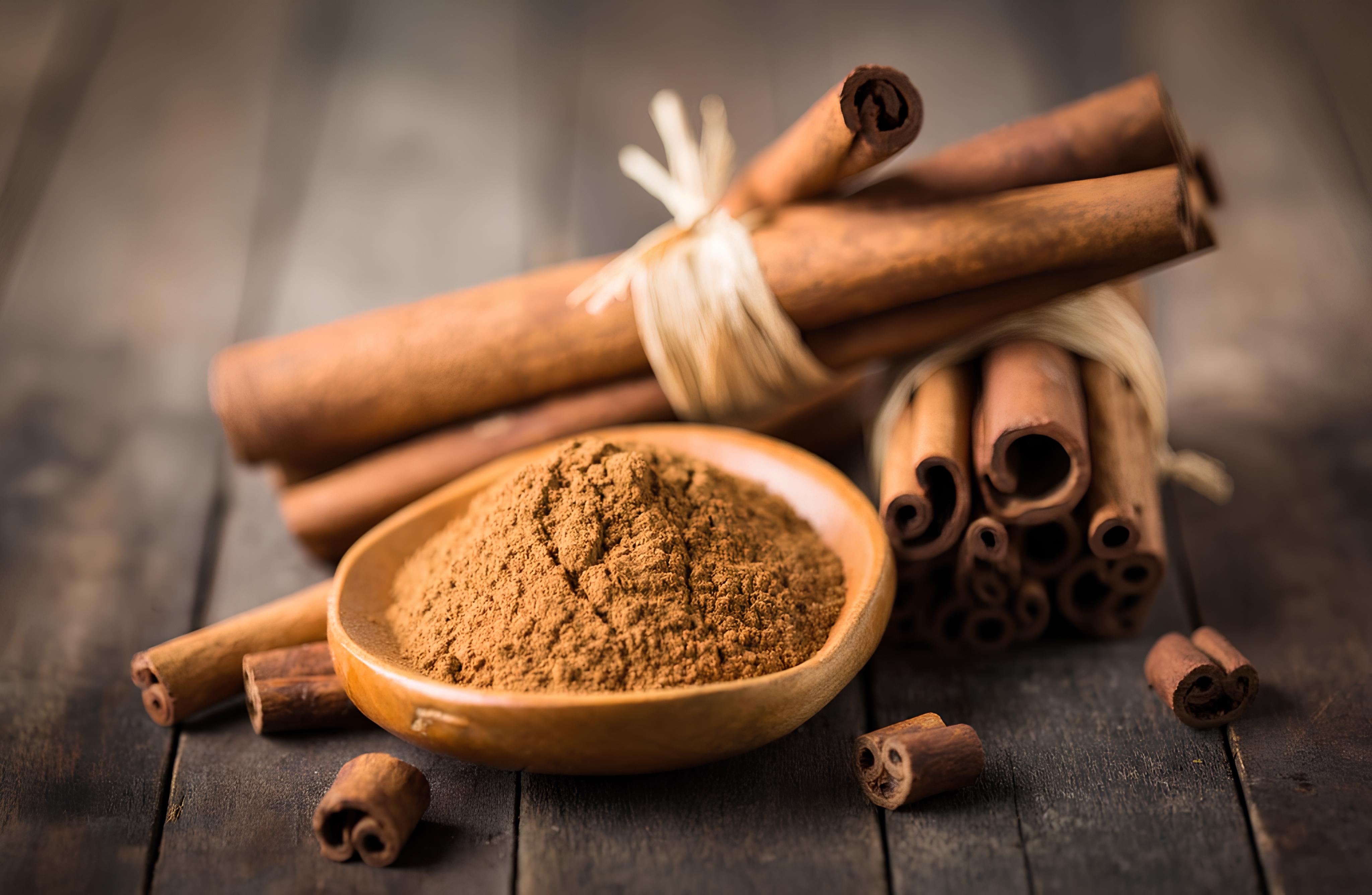
Cinnamon Powder (Cinnamomum verum)
Has antibacterial properties, reduces body odor, and enhances fragrance.
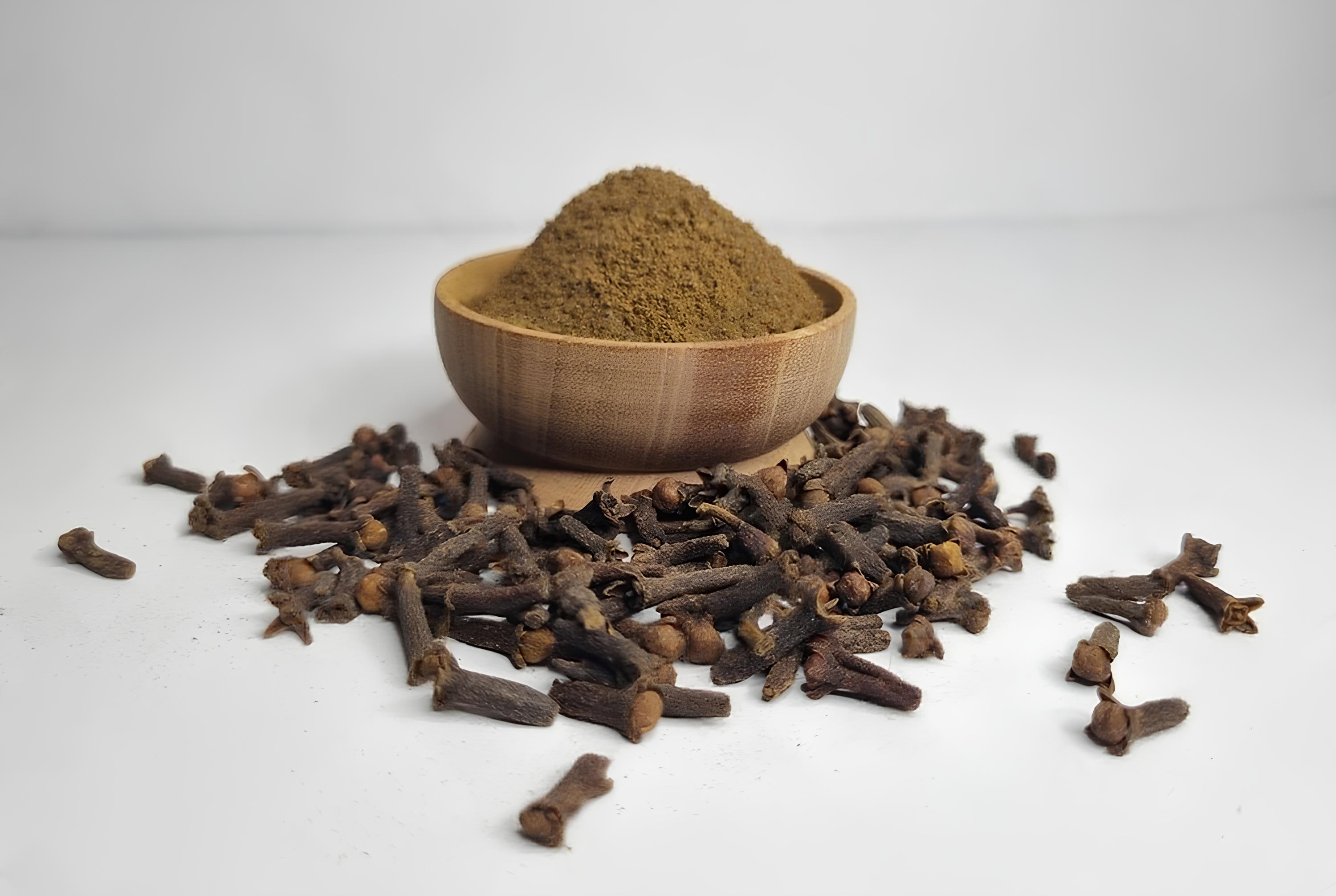
Clove Powder (Syzygium aromaticum)
Helps relieve muscle pain, adds a warming aroma, and serves as a natural antiseptic.
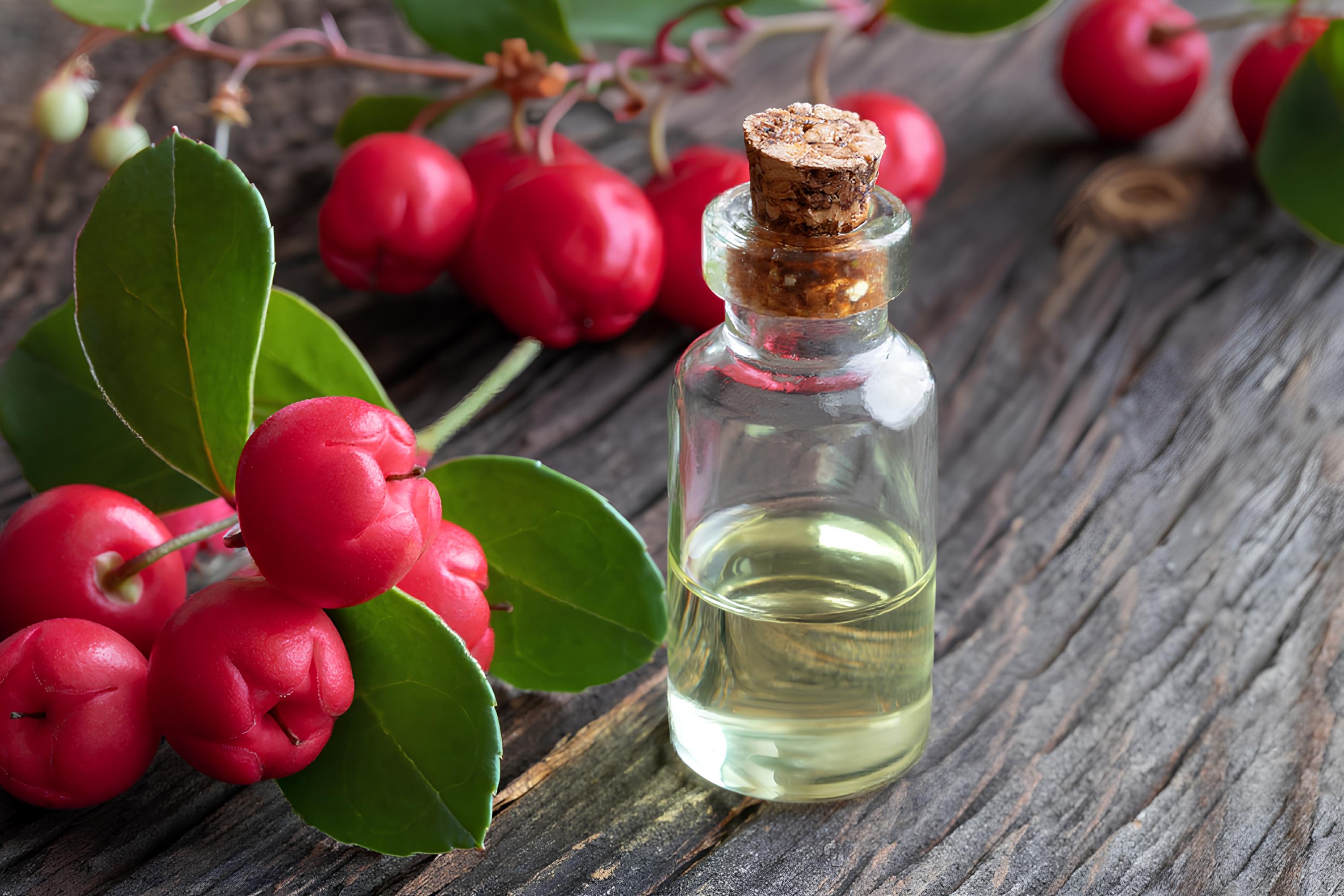
Wintergreen Oil / Gandapura Oil (Gaultheria procumbens)
Relieves muscle and joint pain, reduces soreness, and provides a warming effect.
The preparation of param requires a systematic process to ensure that each ingredient retains its beneficial properties and produces a paste suitable for body application. The following are the steps involved in the preparation and use of param:
Step 1: Preparation of Fresh Ingredients
Rice is first soaked for several hours until soft. Meanwhile, fresh turmeric, betel leaves, kaffir lime peel, and kencur are cleaned and cut into small pieces to facilitate the pounding process. All fresh ingredients are then finely ground using a mortar and pestle to produce a smooth and well-blended paste.
Step 2: Mixing of Additional Herbs
Powdered herbs such as lemongrass powder, galangal powder, sandalwood powder, red ginger powder, Java long pepper powder, cinnamon powder, and clove powder are added to the fresh paste. A few drops of wintergreen oil are also incorporated to provide additional warmth and to help relieve muscle tension. The mixture is stirred until it becomes a homogeneous blend with the right consistency.
Step 3: Dilution with Distilled Water
Distilled water is gradually added to the herbal mixture until the desired thickness is achieved for topical application. The consistency should be neither too watery nor too thick, ensuring that the paste can be easily spread over the skin.
Step 4: Storage and Application
Once prepared, param can be applied immediately after mixing. For use, it is spread evenly over the entire body except for the breasts and abdomen, usually after morning and evening baths. The application is left to dry for a few minutes before being rinsed off with water. Any remaining mixture may be stored in a tightly sealed container for later use, although it is recommended to prepare fresh batches to preserve the potency of the herbs.
Step 5: Consistency of Practice
The consistent use of param throughout the 40-day confinement period is believed to produce long-lasting positive effects. In addition to aiding physical recovery, the practice is regarded as a form of self-care discipline that encourages mothers to maintain their bodies regularly, while also strengthening their connection to traditional wisdom passed down through generations.
Reference Source
Bahan Bacaan
Abdullah, R., & Ubaidillah Wan Abas, W. M. (2023). Superstitious practices related to babies in the Malay Muslim community of Malacca. Jurnal Islam Dan Masyarakat Kontemporari, 24(2).
Akhiar, S. K. B. (2016). Amalan dan penggunaan herba dalam perubatan tradisional Melayu selepas bersalin di zon tengah, Semenanjung Malaysia (Doctoral dissertation, Universiti Tun Hussein Onn Malaysia).
Barakbah, A. (2007). Ensiklopedia perbidanan Melayu: Sebuah perbendaharaan ilmu perubatan dan penjagaan kesihatan. Utusan Publications.
Khamis, H. J. (1997). Adat lama perkahwinan orang Melayu Muar. Malaya in History/Malaysia in History dan Malaysia Dari Segi Sejarah, 25, 65–89.
Musa, M. S. (2023). Ilmu perubatan tradisional etnik Melayu Sarawak: Traditional ethnic medicine of Sarawak Malays. Jurnal Borneo Arkhailogia (Heritage, Archaeology and History), 8(1), 189–202.
PantangPlus. (n.d.). Khasiat tapel, param, dan pilis berpantang. PantangPlus. https://pantangplus.com/khasiat-tapel-param-dan-pilis-berpantang/
The Asian Parent. (n.d.). Manfaat parem untuk ibu melahirkan. The Asian Parent Indonesia. https://id.theasianparent.com/aa000215-manfaat-parem-untuk-ibu-melahirkan
Tokoh (jika ada temu bual tokoh)
Location
State JKKN Contact Information
Cultural Officer
Jabatan Kebudayaan dan Kesenian Negara
Use the form below to contact the Informant/Figure/Editor/Researcher directly. We will respond to your inquiry as soon as possible!


